
What's Happening?
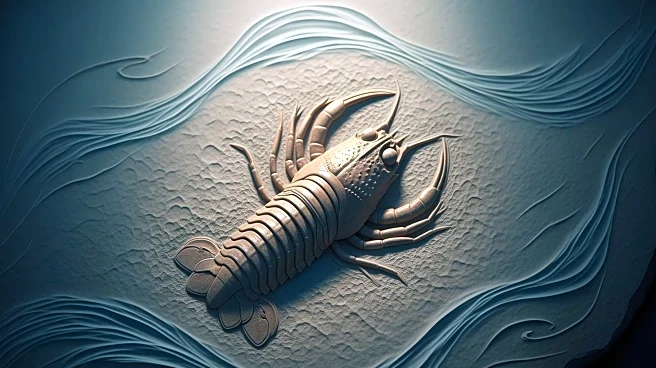
In 2025, scientists documented over 850 new marine species, including a critically endangered guitar shark, as part of ongoing efforts to catalog Earth's biodiversity. This discovery underscores the vast
number of species that remain undocumented, with estimates suggesting that only a fraction of Earth's species have been formally described. Many of these newly identified species are already vulnerable due to environmental pressures and human activities. The discoveries were made in diverse locations, from picnic sites to deep-sea environments, illustrating the persistence of scientific exploration and the challenges of conservation.
Why It's Important?
The discovery of new species is crucial for understanding and preserving biodiversity, which is essential for ecosystem stability and resilience. These findings highlight the urgent need for conservation efforts, as many species face extinction before they are even recognized by science. The documentation of new species can inform conservation strategies and policy decisions, emphasizing the importance of protecting habitats and addressing threats such as climate change and habitat destruction. This research also brings attention to the role of Indigenous and local communities in biodiversity conservation, as they often have extensive knowledge of local species.
What's Next?
Future efforts will likely focus on enhancing conservation measures to protect newly discovered species and their habitats. This may involve increased funding for biodiversity research, the establishment of protected areas, and collaboration with local communities to integrate traditional ecological knowledge into conservation strategies. Scientists will continue to explore remote and understudied regions to uncover more unknown species, while policymakers may work to strengthen international agreements aimed at preserving global biodiversity.