

What's Happening?
Jared Kushner, the United States envoy for peace negotiations in Ukraine and son-in-law of President Trump, announced on Thursday that a new prisoner exchange between Kyiv and Moscow is scheduled for next week. This follows an agreement reached in Abu
Dhabi to conduct the largest prisoner swap since the conflict began. Speaking after the Coalition of the Willing summit, Kushner detailed how Washington's diplomatic efforts have revitalized the trilateral negotiation framework, which had been dormant since February. He stated that thousands of prisoners of war are expected to return home in the coming weeks. Following the Abu Dhabi talks, both sides indicated a willingness to release over a thousand prisoners each. Kushner also noted that Russia is now prepared to participate in a multilateral negotiation framework that includes European representatives, signaling significant progress in diplomatic efforts. He emphasized that Washington aims for consensual agreements and does not intend to act unilaterally or impose decisions on Ukraine.
Why It's Important?
This announcement signifies a crucial step in de-escalating tensions and fostering humanitarian relief amidst the ongoing conflict. The exchange of thousands of prisoners could alleviate immense suffering for families on both sides and potentially build a fragile foundation of trust between the warring parties. The re-engagement of Russia in a multilateral negotiation framework, including European representatives, is a significant diplomatic breakthrough. It suggests a potential shift towards more inclusive and comprehensive peace talks, moving beyond bilateral discussions. The US commitment to consensual agreements, rather than unilateral action, underscores a strategy aimed at ensuring broader international buy-in and sustainability for any future peace settlement. This development could pave the way for addressing more complex issues, such as post-war security guarantees for Ukraine and reforms to the European security architecture, which are critical for long-term stability in the region.
What's Next?
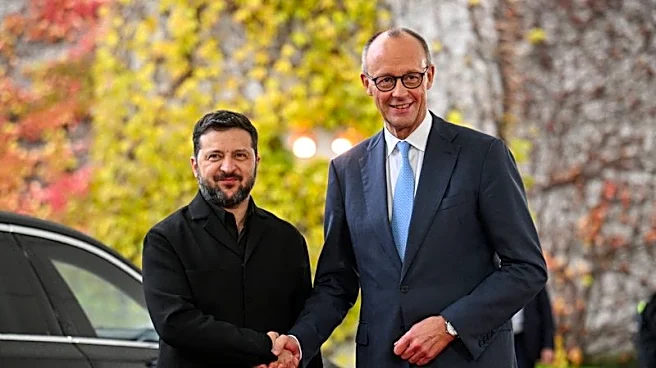
The immediate next step involves Kushner and White House special envoy for peace missions Steve Witkoff meeting with European national security advisors and the Ukrainian negotiating team on Thursday night. Their objective is to draft joint proposals for the agenda of the upcoming meeting with the Russian delegation. This preparatory work is crucial for ensuring productive discussions and advancing the peace process. Kushner expressed optimism, stating that the positions of the parties are becoming "much closer" on key issues like post-war security guarantees for Ukraine and European security architecture reforms. President Trump has not ruled out security guarantees similar to NATO's Article 5 for Kyiv, provided that any Russian breach of a potential peace agreement would be met with "massive retaliatory measures." The successful execution of the prisoner exchange next week will be a critical test of the renewed diplomatic efforts and could set a precedent for further confidence-building measures.
Beyond the Headlines
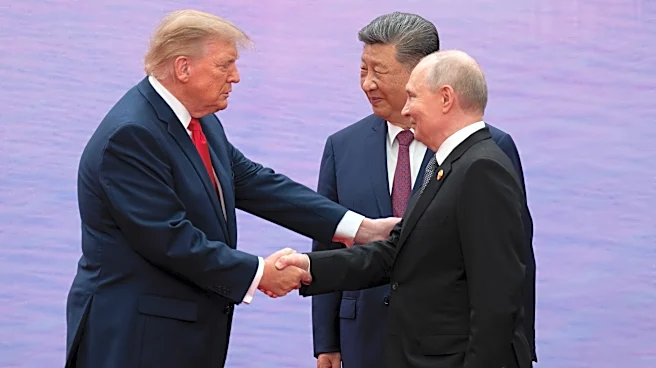
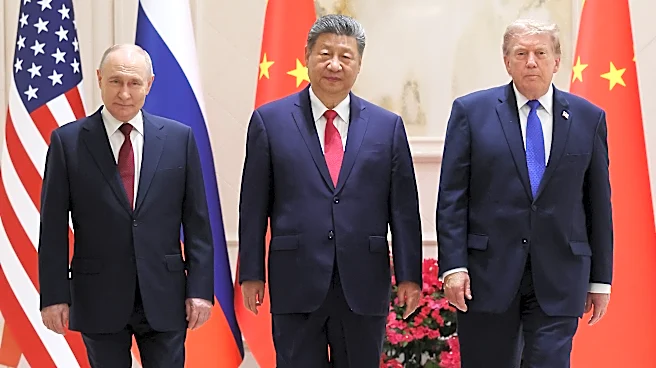
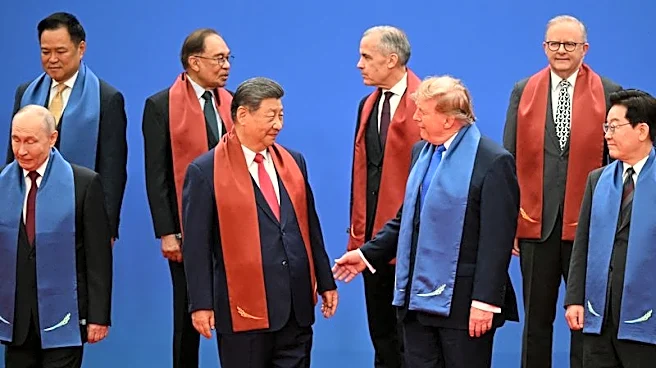
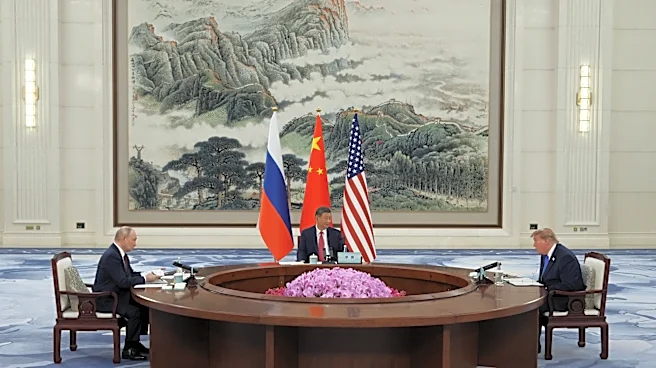
The renewed diplomatic engagement, particularly the inclusion of European representatives in the negotiation framework, highlights a potential shift towards a more unified international approach to resolving the conflict. The emphasis on transparency and de-escalation mechanisms, potentially utilizing existing European infrastructure like NATO, suggests a long-term vision for regional stability. While NATO is seen as a protector of peace, Moscow's accusations of it being provocative are being considered, indicating a nuanced approach to security architecture reforms. The involvement of President Trump in these discussions, including his conversations with President Xi Jinping and President Vladimir Putin, underscores the high-level commitment to finding a peaceful resolution. The willingness of all major powers to engage in dialogue, despite ongoing hostilities, suggests a recognition of the immense human and geopolitical costs of the prolonged conflict, potentially leading to a re-evaluation of strategic priorities and a push for a more durable peace.