





What's Happening?
The United States, Canada, and over two dozen international partners have issued a stark warning regarding the escalating risk of famine in Sudan. Nearly 20 million people in the country are struggling to obtain sufficient food, with 19.5 million, or
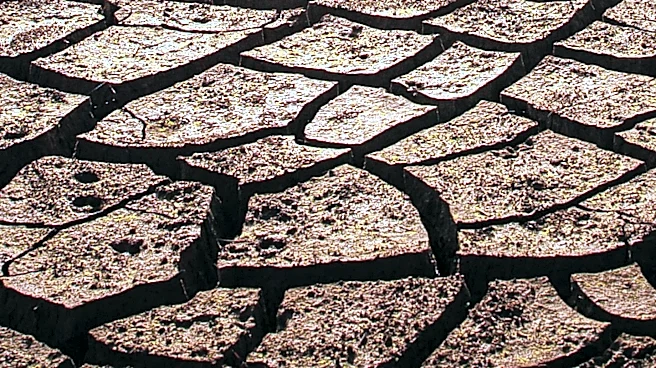
41% of the population, experiencing high levels of acute food insecurity. Of these, five million are facing emergency conditions. This dire situation is primarily attributed to the ongoing armed conflict, which began in April 2023, displacing millions, destroying essential infrastructure, and disrupting healthcare, agricultural production, and food distribution networks. The humanitarian crisis is further exacerbated by restrictions on aid and adverse weather conditions, including El Niño-induced drought leading to reduced rainfall across more than half of Sudan. The international partners are urging the warring factions to remove all impediments to humanitarian assistance, allow safe and unimpeded access, and protect aid personnel to prevent a sharp deterioration in the coming months.
Why It's Important?
This warning from the U.S. and its allies underscores a critical humanitarian crisis with significant international implications. The potential for widespread famine in Sudan could lead to a massive increase in displacement, further destabilizing the region and potentially creating new refugee flows that would impact neighboring countries and international aid resources. The call for unrestricted humanitarian access highlights the challenges faced by aid organizations in delivering life-saving assistance, which could set a precedent for future conflict zones if not addressed effectively. The involvement of the U.S. and other major powers signals a recognition of the severity of the situation and the need for a coordinated global response. Failure to address the root causes of the conflict and ensure aid delivery could result in a catastrophic loss of life and long-term humanitarian dependency, placing a substantial burden on international relief efforts and potentially diverting resources from other global crises.
What's Next?
The international partners are demanding immediate action from the parties involved in Sudan's conflict. They are calling for the removal of all restrictions on humanitarian assistance, including lengthy visa procedures, customs clearance delays, and additional travel permits that hinder aid operations. Specifically, they are demanding air access into Darfur to facilitate quicker deployment of emergency supplies and evacuation of humanitarian personnel. The governments also urge armed groups to cease attacks on civilian infrastructure, particularly agricultural facilities. Furthermore, there is an urgent call for increased international humanitarian funding and for development banks and financial institutions to adjust their programs to support the winter cropping season, aiming to restore agricultural production and reduce reliance on emergency food aid. The signatories emphasize that the warring parties bear primary responsibility for protecting civilians and ensuring aid reaches those in need.
Beyond the Headlines
The unfolding crisis in Sudan highlights the complex interplay between armed conflict, climate change, and food security. The El Niño-induced drought, coupled with the destruction caused by fighting, creates a compounding effect that pushes vulnerable populations to the brink of famine. This situation raises ethical questions about the responsibility of warring parties to protect civilians and facilitate humanitarian aid, even amidst conflict. The administrative hurdles faced by aid organizations, such as visa and customs delays, underscore systemic challenges in international humanitarian response, suggesting a need for more robust frameworks to ensure aid delivery in conflict zones. The long-term implications extend beyond immediate food relief, pointing to the necessity of sustainable peace-building efforts and climate resilience strategies to prevent future humanitarian catastrophes in regions susceptible to similar pressures.