




What's Happening?
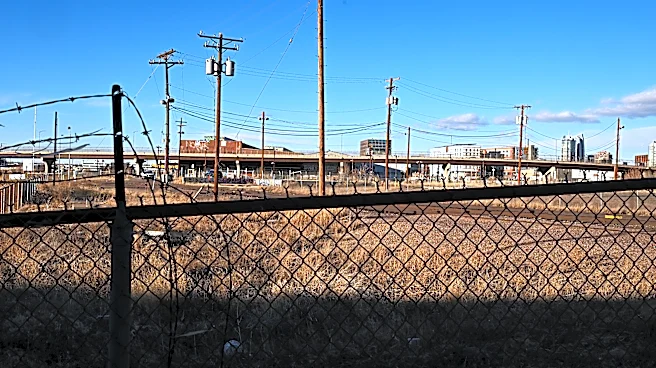
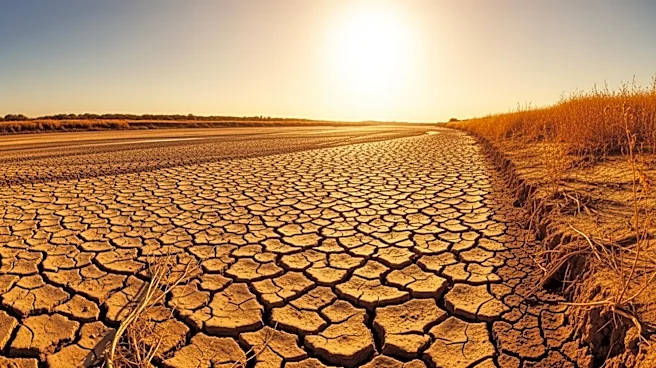
Colorado is experiencing an unprecedented drought, prompting major cities to enforce early water restrictions. The state is now nearly half-covered by extreme drought conditions, marking the highest level for April in over two decades. The drought is exacerbated
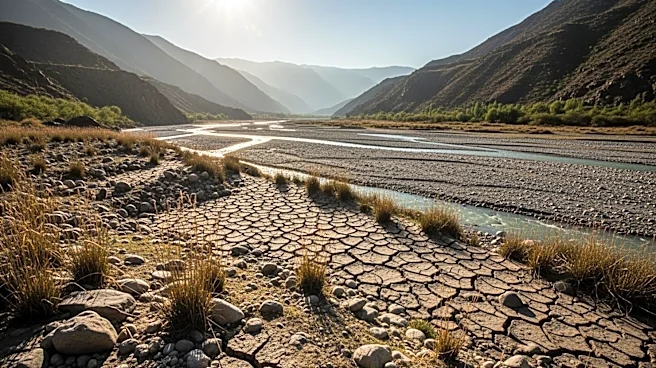
by minimal snowpack and unusually high temperatures, which have led to the lowest snowpack on record. This situation is critical as snowpack is a primary source of water for Colorado, feeding rivers and reservoirs. Cities like Denver and Aurora are urging residents to reduce water usage, particularly for lawns, which are significant water consumers. Restrictions include serving water in restaurants only upon request and encouraging the use of commercial car washes. The drought is reshaping expectations for lawn aesthetics, with officials advocating for less water-intensive landscaping.
Why It's Important?
The drought in Colorado has significant implications for water management and conservation efforts in the region. With water levels critically low, cities are forced to reconsider traditional landscaping practices, particularly the use of Kentucky bluegrass, which requires substantial water. This shift could lead to long-term changes in urban planning and residential landscaping, promoting native grasses and water-efficient designs. The drought also highlights the vulnerability of water supplies in the Mountain West, potentially influencing policy decisions and conservation strategies. As water scarcity becomes more pronounced, residents and businesses may face increased costs and stricter regulations, impacting daily life and economic activities.
What's Next?
As the drought persists, Colorado cities are likely to implement more stringent water conservation measures. Residents may be encouraged to adopt 'water-wise' landscaping, replacing traditional lawns with native plants and shrubs. Municipalities might expand subsidy programs to incentivize these changes. Additionally, water managers will continue monitoring supply levels, potentially adjusting restrictions based on seasonal conditions. The situation could prompt broader discussions on sustainable water management practices and climate adaptation strategies in the region.
Beyond the Headlines
The drought in Colorado underscores the broader challenges of climate change and resource management. It raises ethical questions about water usage and the responsibility of individuals and communities to adapt to changing environmental conditions. The shift away from traditional lawns to more sustainable landscapes reflects a cultural change in how residents perceive and interact with their environment. This transformation could influence urban design and community planning, fostering resilience against future climate-related challenges.