





What's Happening?
Six months into the U.S.-Israeli war against Iran, initial objectives such as regime change, destruction of nuclear capabilities, and elimination of missile supplies have not been fully met, leading to a stalemate. Despite early hopes for a swift conflict,
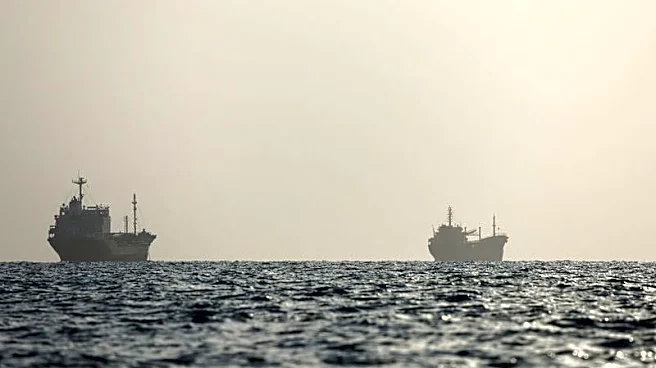
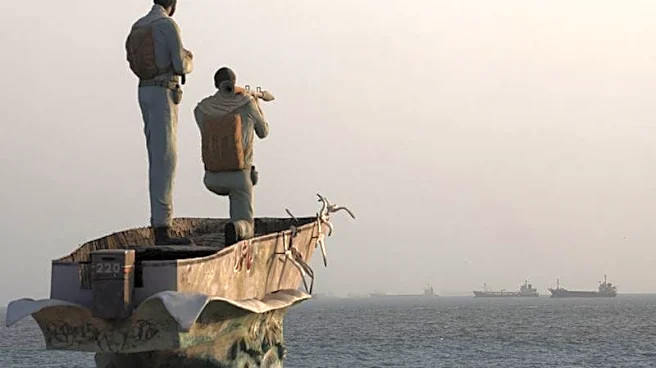
President Trump's prediction of a 'four weeks or less' war has proven inaccurate. The assassination of Iran's Supreme Leader, Ayatollah Ali Khamenei, on the first day of the war did not lead to the collapse of the regime; instead, his son Mojtaba Khamenei succeeded him, leading to an even harsher government. While Iran's nuclear program has been severely damaged, it is not destroyed, and its missile capabilities, though initially hit, have shown signs of technical improvement and continued use against U.S. bases. The Strait of Hormuz, initially closed by Iran, was reopened through a ceasefire agreement, but Iran continues to exert leverage over the critical waterway. The conflict has also seen Iran's proxy networks, including Hamas and Hezbollah, suffer significant setbacks, though some resupply efforts to groups like the Houthis in Yemen have been reported.
Why It's Important?
The prolonged conflict in Iran carries significant implications for U.S. foreign policy, military strategy, and global economic stability. The failure to achieve stated objectives like regime change and complete denuclearization highlights the complexities and challenges of military intervention in the Middle East. The ongoing stalemate and Iran's continued ability to project power, despite sanctions and military strikes, could lead to a reassessment of U.S. approaches to regional security. Economically, Iran's leverage over the Strait of Hormuz, a vital oil trade route, poses a continuous risk to global energy markets. The substantial damage to U.S. military infrastructure in the region, estimated at $5 billion, and the casualties among U.S. troops underscore the human and financial costs of the conflict. Furthermore, the erosion of U.S. support for Israel among some Democratic lawmakers and the dimming prospects of normalizing relations between Israel and Saudi Arabia indicate a shifting geopolitical landscape in the region, potentially impacting long-standing alliances and future diplomatic efforts.
What's Next?
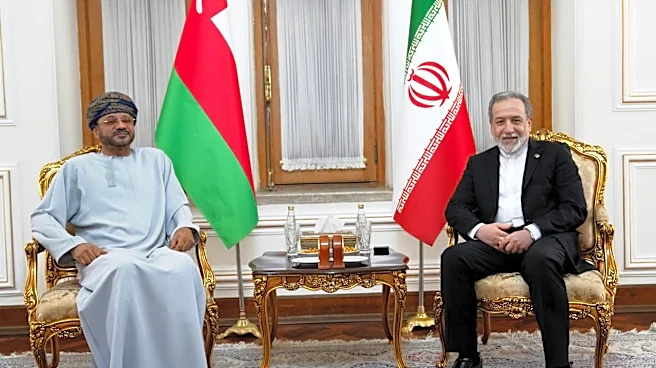
The Trump administration is intensifying economic sanctions against Iran, an initiative termed 'economic D-Day,' which is expected to be evaluated for its impact within approximately another month. If these economic pressures do not yield desired results, there is a possibility of further military action to compel Iran to 'better behavior,' according to retired Navy Capt. Brent Sadler. Iran, in response, has threatened to target U.S. economic interests if the blockade of its ports continues, and is reportedly drafting conditions for the permanent reopening of the Strait of Hormuz. The internal debate within Iran's political establishment regarding negotiations with the U.S., particularly concerning the Strait of Hormuz, suggests potential diplomatic avenues, though a military response is also being considered by some Iranian lawmakers. The U.S. will likely continue efforts to prevent Iran from obtaining a nuclear weapon and to curb its support for proxy groups, while also addressing the challenges of resupplying its naval forces and rebuilding damaged military bases in the region.
Beyond the Headlines
The protracted conflict in Iran reveals a significant 'extraordinary gap' between the U.S. military's operational capabilities and its strategic objectives, as noted by Dr. Ian Lesser. This disconnect has contributed to the current stalemate and raises questions about the effectiveness of military force in achieving complex political outcomes. The conflict has inadvertently strengthened the resolve of some within Iran to pursue a nuclear weapon, demonstrating a potential unintended consequence of the U.S. and Israeli actions. The shift in leadership to Mojtaba Khamenei, resulting in a more hardline government, suggests a deepening of the ideological divide and a more entrenched opposition to Western influence. The growing skepticism among Gulf nations regarding the reliability of the U.S. security umbrella, evidenced by Saudi Arabia's new defense pact with Pakistan and Turkey, could lead to a broader realignment of regional alliances and a more multipolar security environment in the Middle East. This could have long-term implications for U.S. influence and stability in the region.