


What's Happening?
The Inter-American Development Bank (IDB) has approved a US$23.75 million financing package aimed at providing electricity to thousands of rural households in Belize. Many communities in Belize currently lack reliable access to power, which limits economic
opportunities. The investment will fund new electricity connections, modern renewable energy systems, and enhanced planning capabilities. This initiative is expected to give rural families better access to essential services and foster growth for local businesses, educational activities, and community development. The financing includes a US$20 million loan from the IDB's Ordinary Capital, a US$2.75 million non-reimbursable investment grant, and a US$1 million non-reimbursable grant from the Low Carbon Energy Fund. This marks the IDB's first investment in Belize's energy sector, offering new financial and technical support to expand electricity services beyond major population centers. Approximately 3,000 rural households, with a focus on Indigenous and migrant communities, are projected to receive electricity for the first time through this program.
Why It's Important?
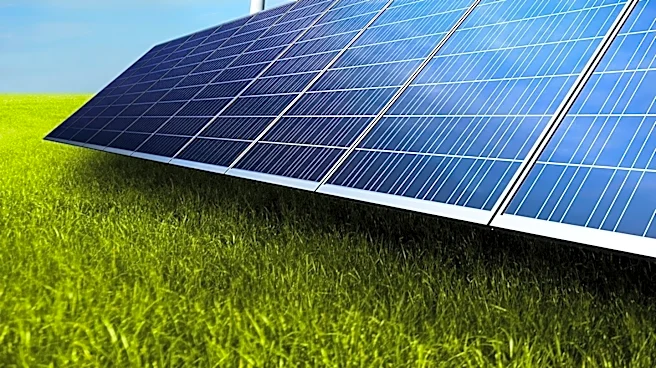
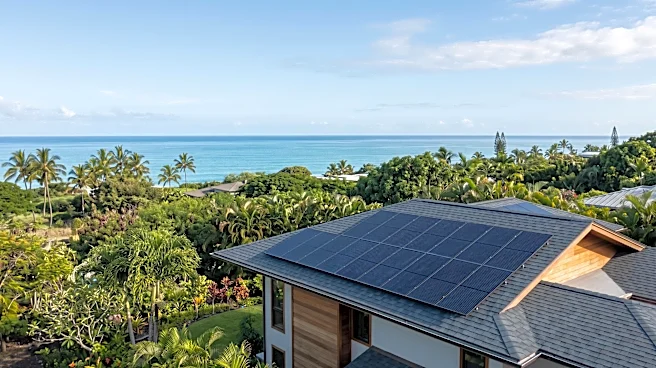
This IDB financing is crucial for Belize's rural development and economic inclusion. Reliable electricity access can significantly improve daily life by enabling safer lighting, better food storage, enhanced communication, and educational opportunities. It also empowers small businesses and income-generating activities that are difficult to sustain without dependable energy. The program's emphasis on renewable energy systems, such as solar photovoltaic mini-grids with battery storage, promotes sustainable development and reduces reliance on conventional energy sources, particularly in remote areas where traditional infrastructure is costly to implement. Strengthening Belize's technical and institutional capacity for energy infrastructure planning and maintenance will ensure the long-term sustainability and effectiveness of future rural electrification projects. By integrating awareness activities, the initiative aims to help communities leverage new power supplies for productive uses, thereby maximizing the economic value derived from improved electricity access and fostering broader economic growth.
What's Next?
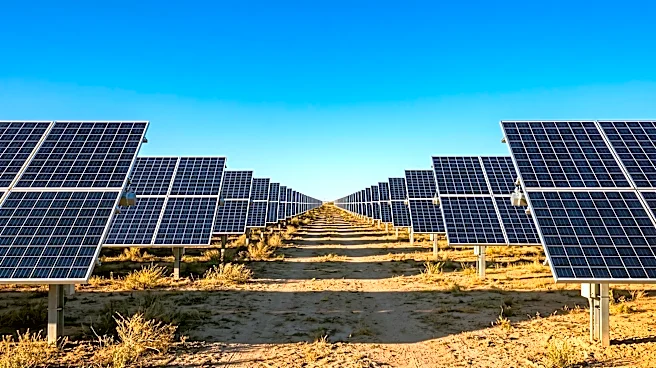
The approved financing package will proceed with the design, construction, and installation of solar photovoltaic mini-grids combined with battery energy storage systems. Smart metering technologies will also be implemented to enhance the monitoring and management of electricity usage. The distribution network will be expanded to connect more homes and community facilities, and infrastructure will be developed to link new users to the national electricity grid where feasible. The program will also include awareness activities to educate households and businesses on how to utilize electricity for income-generating activities and local services. The US$20 million IDB loan has a repayment period of 25 years, including a 5.5-year grace period, with an interest rate based on the Secured Overnight Financing Rate (SOFR). This long-term funding, combined with grant financing, will support the extension of modern electricity services to rural communities and strengthen Belize's energy system.
Beyond the Headlines
The IDB's investment in Belize's rural electrification extends beyond mere infrastructure development; it addresses fundamental issues of equity and opportunity. By prioritizing Indigenous and migrant communities, the program aims to reduce disparities in access to essential services and economic resources, which can have profound social impacts. The adoption of renewable energy solutions like solar mini-grids positions Belize as a leader in sustainable development within the region, potentially influencing other developing nations to pursue similar clean energy transitions. Furthermore, the focus on building local capacity for energy planning and maintenance fosters self-sufficiency and resilience, reducing long-term dependence on external aid. This initiative could serve as a model for how international development banks can integrate environmental sustainability, social equity, and economic empowerment into a single, comprehensive strategy, ultimately contributing to a more inclusive and sustainable future for the region.