
What's Happening?
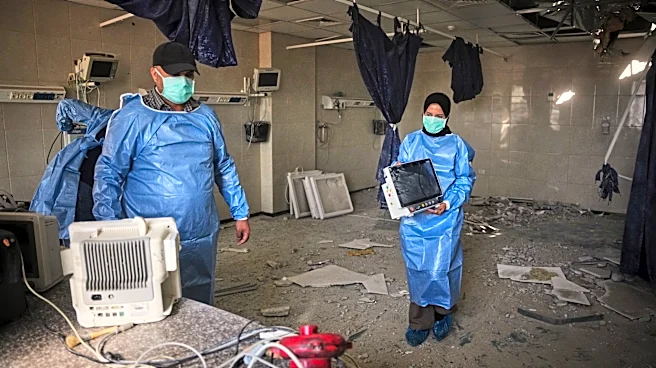
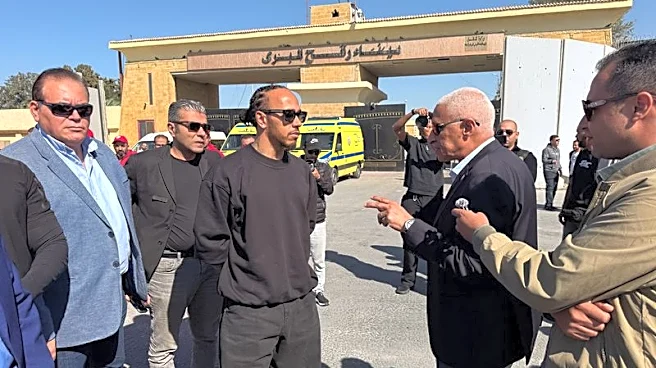
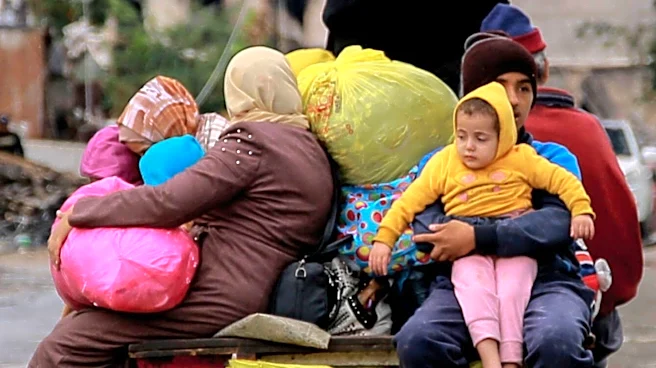
A coalition of 53 countries and organizations has issued a joint appeal to the Israeli government, urging it to allow rapid and unhindered humanitarian assistance to reach all parts of the Gaza Strip.
This collective call underscores the growing international concern over the humanitarian crisis in Gaza and the challenges faced in delivering essential aid to its population. The Holy See has also expressed its concern regarding the plight of Palestinian refugees and emphasized the critical need for the safe, sustained, and unimpeded delivery of humanitarian aid to the region. These statements highlight a broad international consensus on the urgency of addressing the humanitarian situation in Gaza.
Why It's Important?
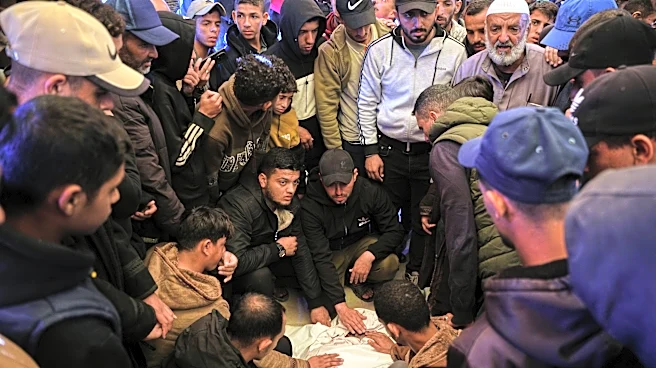
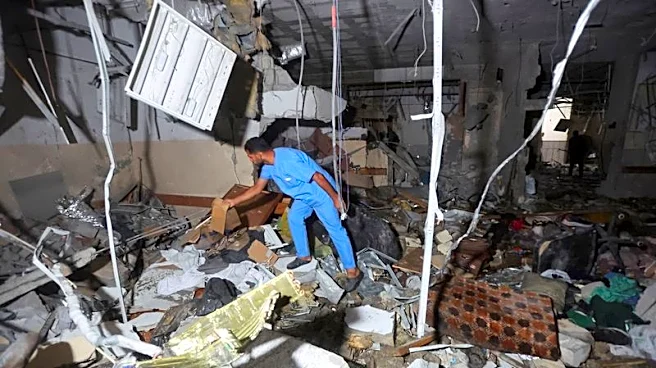
The unified call from 53 nations and organizations signifies a significant international push for improved humanitarian access to Gaza. The current restrictions and challenges in aid delivery are exacerbating an already dire situation, leading to widespread suffering among the civilian population. Unhindered access for humanitarian aid is crucial for preventing further loss of life, addressing food insecurity, and providing essential medical care. The involvement of the Holy See further amplifies the moral and ethical dimensions of the crisis, emphasizing the universal responsibility to protect vulnerable populations. This collective pressure aims to compel Israel to facilitate the flow of aid, which is a fundamental requirement under international humanitarian law.
What's Next?
The international community will likely continue to monitor the situation closely and exert diplomatic pressure on Israel to ensure the safe and unimpeded delivery of humanitarian aid to Gaza. The effectiveness of this collective appeal will depend on Israel's response and its willingness to implement measures that facilitate aid distribution. Humanitarian organizations on the ground will continue to advocate for greater access and resources to meet the escalating needs. Further diplomatic efforts, potentially including resolutions or coordinated actions by international bodies, may follow if the humanitarian situation does not improve. The focus will remain on ensuring that aid reaches all those in need without delay or obstruction.
Beyond the Headlines
The call for unhindered humanitarian aid to Gaza transcends immediate relief efforts, touching upon broader issues of international law, human rights, and the responsibilities of occupying powers. The emphasis on 'unimpeded' delivery highlights concerns about the politicization of aid and the potential for aid to be used as a leverage point in conflict. This situation also brings to light the complex interplay between security concerns and humanitarian imperatives, often leading to difficult trade-offs. The collective voice of numerous nations and organizations underscores a global recognition that humanitarian assistance should be a neutral and impartial endeavor, separate from political disputes, and that all parties have an obligation to facilitate it. The long-term implications for regional stability and the prospects for peace are deeply intertwined with the resolution of the humanitarian crisis.