






What's Happening?
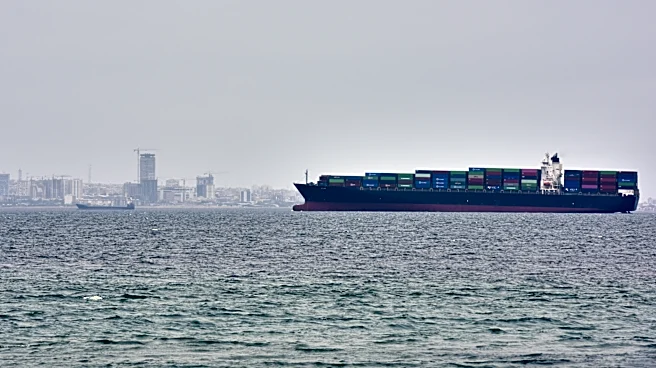
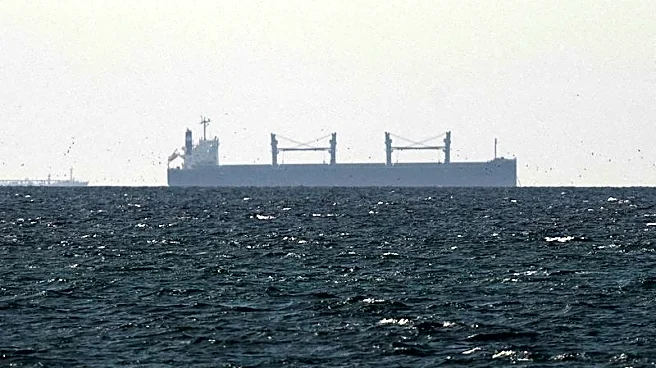
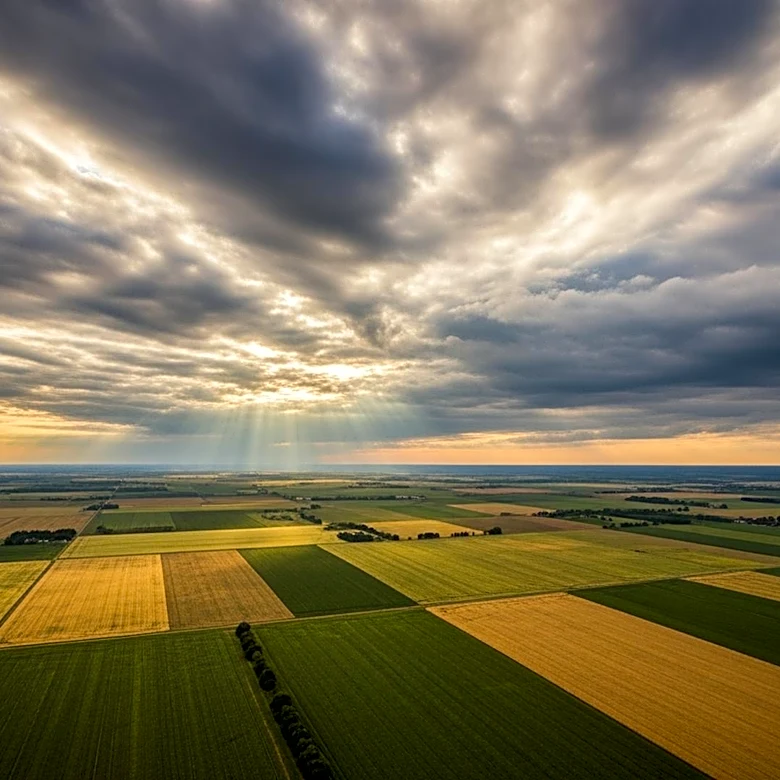
Farmers in the Mississippi Delta, such as Sledge Taylor, are facing significant challenges due to rising costs of fertilizer and fuel. The closure of the Strait of Hormuz, amid the US-Israeli conflict with Iran, has disrupted the supply of nitrogen fertilizer and fuel,
critical for farming operations. Taylor, who grows corn on 4,000 acres, is reconsidering the use of nitrogen fertilizer due to its high cost and the low price of corn. The situation is exacerbated by the Trump administration's tariffs, which have led to a decline in export markets for crops like soybeans and rice. Farmers like Taylor and Anthony Bland are struggling to cope with these economic pressures, with Bland noting a 60% increase in diesel costs and a significant rise in fertilizer expenses.
Why It's Important?
The rising costs of essential farming inputs threaten the viability of small and medium-sized farms in the Mississippi Delta, a region heavily reliant on agriculture. The economic strain could lead to a reduction in crop yields and financial instability for farmers, impacting the local economy and food supply chains. The situation highlights the broader implications of geopolitical conflicts on domestic agriculture, as well as the vulnerability of farmers to global market fluctuations. The Trump administration's policies, including tariffs and reduced support for Black farmers, have compounded these challenges, potentially leading to long-term shifts in farming practices and land use in the region.
What's Next?
Farmers like Taylor and Bland are facing a critical year, with decisions looming on whether to continue traditional farming practices or pivot to alternative strategies. The potential for additional government support remains uncertain, as the USDA has not indicated plans for further assistance. The ongoing geopolitical tensions and their impact on global supply chains will continue to influence the cost and availability of farming inputs. Farmers may need to explore new markets or crop diversification to mitigate risks, while policymakers might consider revisiting trade and agricultural support policies to stabilize the sector.
Beyond the Headlines
The current crisis underscores the need for sustainable agricultural practices and resilience against global disruptions. It also raises questions about the equity of government support programs, particularly for minority farmers who have historically faced systemic challenges. The situation may prompt a reevaluation of agricultural policies to better support small-scale farmers and ensure food security. Additionally, the environmental impact of increased fuel usage and fertilizer application could have long-term consequences for soil health and sustainability in the region.