






What's Happening?
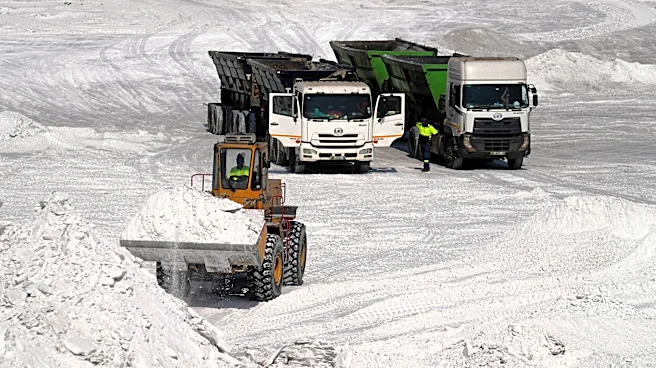
Youth from the Biung community in the Talensi District of the Upper East Region staged a protest against Cardinal Namdini Mining Limited on April 18. The demonstration involved blocking road access to the area, demanding the Chinese-owned gold mining
company address issues of neglect affecting the local communities. The protesters highlighted four main grievances: lack of clean water due to the absence of boreholes, limited employment opportunities for local youth, inadequate community lighting, and exposure to toxic chemicals from mining operations. Biung, along with another community, was resettled by Cardinal Namdini to facilitate large-scale gold mining. The company, a subsidiary of China's Shandong Gold, began operations in late 2024, promising to provide essential services like water, electricity, and healthcare. This protest follows a history of community demonstrations against the company, including a significant protest in August 2025 by residents of Sheaga and other areas, citing environmental and employment concerns.
Why It's Important?
The protest underscores ongoing tensions between mining companies and local communities in resource-rich regions. The grievances raised by the Biung youth highlight critical issues of corporate responsibility and community welfare. The lack of basic amenities and employment opportunities can exacerbate poverty and social unrest in these areas. For Cardinal Namdini Mining Limited, addressing these concerns is crucial not only for maintaining its social license to operate but also for ensuring sustainable community relations. The situation reflects broader challenges faced by mining companies globally, where balancing profit with social and environmental responsibilities is increasingly scrutinized. The outcome of this protest could influence future corporate practices and policies in the mining sector, particularly in terms of community engagement and investment.
What's Next?
The Biung youth are demanding immediate action from Cardinal Namdini Mining Limited to fulfill its commitments. The company has yet to respond publicly to the latest protest. Moving forward, it will be essential for the company to engage in dialogue with the community to address their concerns. Potential next steps could include negotiations to improve local infrastructure, increase employment opportunities, and mitigate environmental impacts. The response from Cardinal Namdini will likely be watched closely by other communities and stakeholders in the region, potentially setting a precedent for how similar disputes are handled in the future.