




What's Happening?
Carlos Betancur, a Colombian father detained by U.S. Immigration and Customs Enforcement (ICE) while pumping gas in Doral, Florida, has been released and reunited with his family. Betancur was held for 16 days, spending time at the Miramar Processing
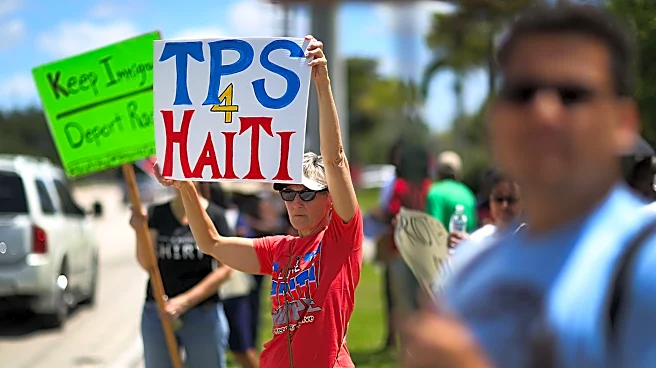
Center and the Krome Detention Center. He described overcrowded conditions, with detainees taking turns to sit, sleep, and use the restroom. Betancur was initially detained for overstaying his visa and is now under electronic monitoring as his immigration case proceeds. His daughter, Maria Alejandra Betancur, argued that his detention was unjustified, citing his political asylum documents and work permit. Immigration advocates have protested the prolonged detentions at the Miramar facility, which they claim is being used beyond its intended purpose.
Why It's Important?
Betancur's case highlights ongoing concerns about the conditions and practices within ICE detention facilities, particularly regarding overcrowding and the treatment of detainees. The situation underscores broader issues in U.S. immigration policy and enforcement, including the handling of visa overstays and the rights of asylum seekers. The public attention and advocacy efforts surrounding Betancur's case may influence future policy discussions and reforms aimed at improving conditions in detention centers and ensuring fair treatment of immigrants. The case also reflects the personal and familial impacts of immigration enforcement actions, affecting communities and raising questions about the balance between security and humanitarian considerations.
What's Next?
Betancur is scheduled to appear before an immigration judge next month, where his case will continue. The outcome of his hearing could set a precedent for similar cases involving visa overstays and asylum claims. Immigration advocates are likely to continue their efforts to bring attention to the conditions in ICE facilities and push for policy changes. The response from ICE and federal authorities to these concerns will be closely watched by stakeholders, including immigrant communities, legal experts, and human rights organizations. The case may also prompt further scrutiny of ICE's practices and the broader immigration enforcement system.