






What's Happening?
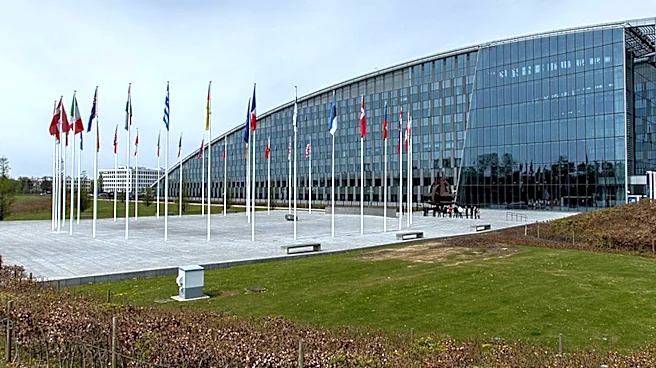
The Open Group Future Airborne Capability Environment® (FACE) Consortium has announced an expansion of its membership eligibility to include organizations from NATO member countries, Japan, and South Korea. This decision follows increasing demand from businesses
and governments for broader international cooperation in defense technology. Previously, membership was primarily focused on U.S. entities. The expanded eligibility allows organizations from these new countries to participate in defining and evolving FACE Standards, gain early access to crucial documents and tools, network with government and industry experts, and attend select Consortium events. Alicia Taylor, The Open Group FACE Consortium Director, stated that this expansion aims to build a broader international community, fostering collaboration and shared expertise to develop practical approaches for software delivery and reuse across airborne platforms. Kirk Avery, Senior Fellow at Lockheed Martin and FACE Steering Committee Chair, highlighted this as a defining moment, broadening the Consortium's expertise and bringing new perspectives to meet diverse customer evolution needs.
Why It's Important?
This expansion is significant for the U.S. defense industry and its allies, as it promotes greater interoperability and reduces integration times and costs for airborne platforms across a wider international community. By allowing more countries to contribute to and utilize FACE Standards, the U.S. and its partners can achieve better alignment of requirements and greater software reuse, which is crucial given growing military costs, limited supply chains, and rapid technological evolution. The FACE Standards, which extend beyond military aviation to commercial avionics, shipboard systems, ground vehicles, and uncrewed systems, will benefit from a broader pool of expertise. This move strengthens alliances by fostering deeper technical collaboration, potentially leading to more efficient and cost-effective defense solutions. It also helps address common software development and integration challenges, enhancing the collective defense capabilities of NATO and key Indo-Pacific partners like Japan and South Korea.
What's Next?
Eligible organizations from NATO countries, Japan, and South Korea can now sign up for three levels of membership (Principal, Sponsor, or Associate), each offering unique benefits. Once an organization becomes a member, all its employees from the 26 eligible countries can participate after completing the necessary onboarding paperwork. The Consortium anticipates that this broader participation will lead to accelerated development and adoption of FACE Standards, further enhancing software portability, reusability, and interoperability across diverse defense systems. This initiative is expected to facilitate stronger international partnerships in defense technology, potentially influencing future procurement and development strategies among allied nations. The increased collaboration will likely result in more robust and integrated defense capabilities, addressing the evolving challenges of modern warfare and technological advancements.
Beyond the Headlines
The expansion of the FACE Consortium membership reflects a deeper strategic shift towards greater international collaboration in defense technology, moving beyond traditional bilateral agreements. This initiative underscores the recognition that modern defense challenges require a collective approach to innovation and standardization. By integrating a wider range of perspectives and expertise, the Consortium can develop more resilient and adaptable software solutions that are critical for multi-domain operations. This move also highlights the growing importance of open standards in reducing vendor lock-in and fostering a more competitive and innovative defense industrial base. Ethically, it promotes transparency and shared responsibility among allies in developing critical defense capabilities, potentially leading to more equitable burden-sharing and enhanced collective security. The long-term implication is a more interconnected and technologically advanced alliance structure, capable of responding to complex global threats with greater agility and efficiency.