




What's Happening?
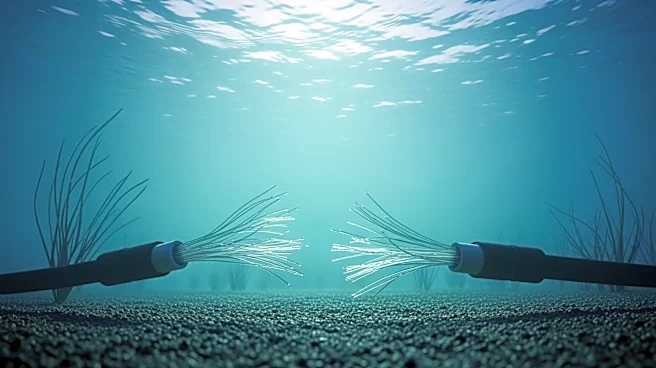
Finnish police have concluded their investigation into the sabotage of two telecommunications cables under the Baltic Sea, which occurred in late 2025. The cables, connecting Finland and Estonia, were damaged in an incident that has been linked to broader
regional security concerns following Russia's 2022 invasion of Ukraine. The investigation identified four suspects, three of whom are subject to travel bans. The Finnish authorities, in collaboration with Estonian counterparts, conducted a comprehensive investigation involving interviews, underwater surveys, and inter-agency cooperation. The case is now being referred to prosecution authorities for consideration of charges related to aggravated criminal damage and interference with telecommunications.
Why It's Important?
The sabotage of undersea cables in the Baltic Sea highlights the ongoing security challenges in the region, particularly in the context of heightened tensions following Russia's actions in Ukraine. The incident underscores the vulnerability of critical infrastructure and the potential for geopolitical conflicts to impact technological and communication networks. The investigation's conclusion and the identification of suspects may lead to increased security measures and international cooperation to protect such infrastructure. The case also reflects the broader strategic importance of the Baltic region and the need for vigilance against potential threats to stability and security.
What's Next?
With the investigation concluded, Finnish prosecutors will now decide on the next steps, which could include filing charges against the suspects. The outcome of this case may influence future security policies and cooperation between Baltic Sea nations. Additionally, NATO and regional authorities may enhance their efforts to safeguard undersea infrastructure, potentially leading to increased patrols and surveillance in the area. The case could also prompt discussions on international legal frameworks to address and prevent similar incidents in the future.