








What's Happening?
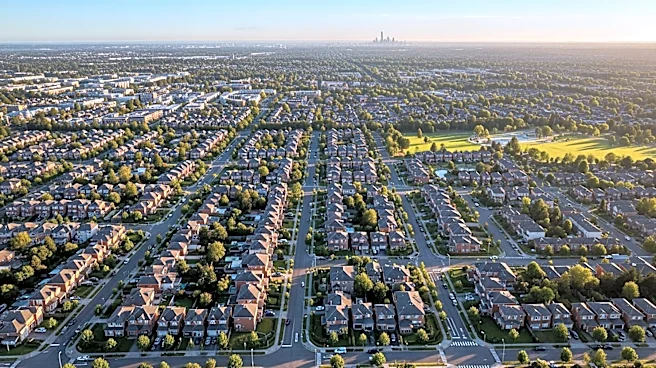
According to recent U.S. Census Bureau data, Texas continues to host some of the fastest-growing cities in the United States, with eight of the top 15 located in the state. The Dallas-Fort Worth suburbs, including Celina, Princeton, Melissa, Anna, Forney,
and Greenville, are experiencing significant growth. Celina, in particular, was the fastest-growing city in the country last year, with a 24.6% increase in population. Despite this suburban boom, major Texas cities like Dallas, El Paso, Arlington, Plano, Irving, and Garland have seen a decline in residents. The growth in suburbs is attributed to more affordable housing, better public safety, and proximity to job centers, while the decline in larger cities is linked to reduced international migration and economic uncertainties.
Why It's Important?
The population trends in Texas highlight a shift in demographic and economic patterns, with significant implications for urban planning, infrastructure, and public policy. The growth in suburban areas suggests a demand for more housing and services in these regions, potentially leading to increased investment and development. Conversely, the decline in major cities could impact local economies, tax revenues, and public services. The trends also reflect broader national issues, such as immigration policies and economic conditions, influencing where people choose to live. Understanding these dynamics is crucial for policymakers and businesses as they plan for future growth and development.
What's Next?
As Texas suburbs continue to grow, local governments may need to address challenges related to infrastructure, transportation, and public services to accommodate the increasing population. There may also be a push to attract major employers to these areas to sustain economic growth. Meanwhile, larger cities facing population decline might explore strategies to revitalize their urban cores, such as improving housing affordability and enhancing public amenities. The ongoing demographic shifts could also influence state and national political landscapes, as population changes affect electoral representation and policy priorities.