



What's Happening?
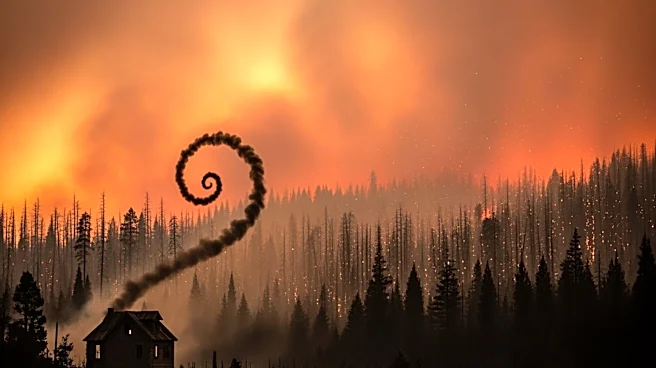
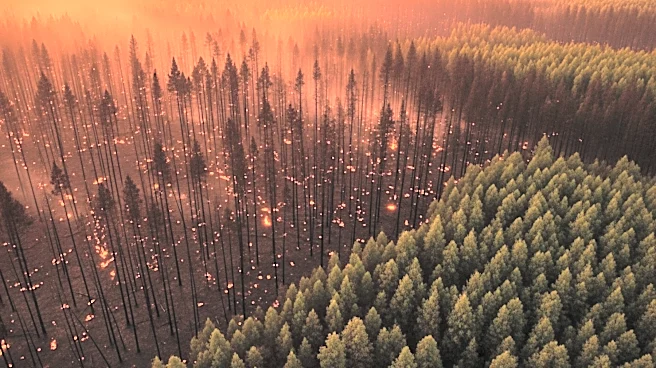
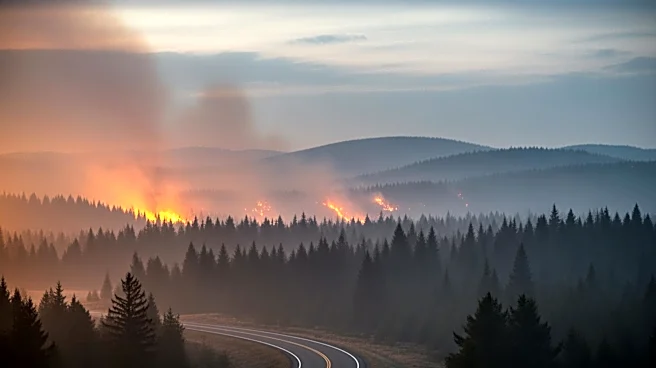
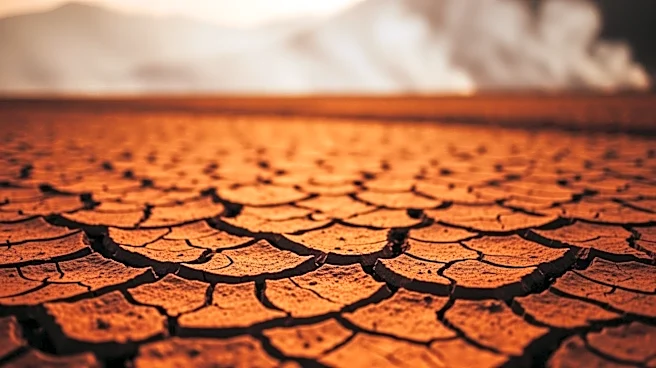
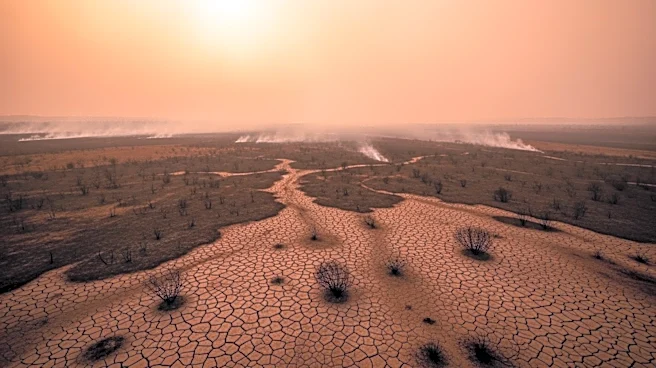
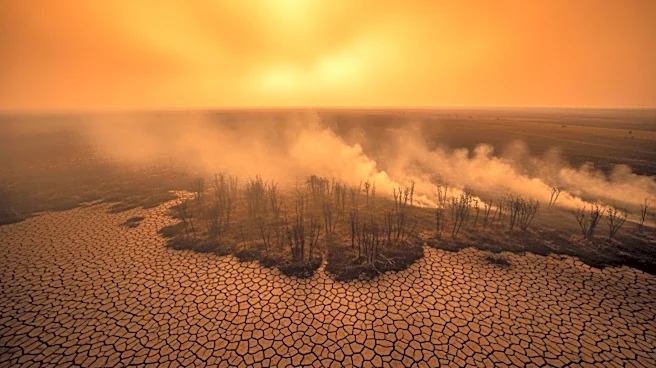
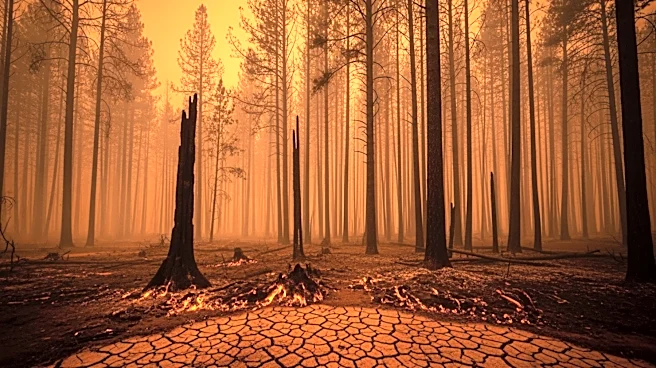
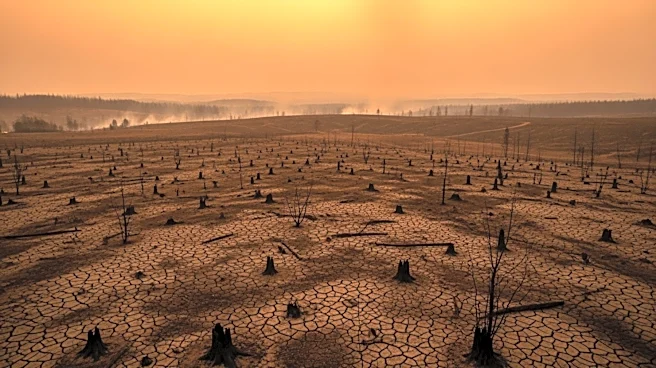
Florida is experiencing significant wildfires due to a severe drought following an unusually dry winter and spring. The drought has been particularly intense in southeastern states like Florida and Georgia, with calls for it to be classified as a level
4 'exceptional' drought, the most severe category. In Broward County, Florida, a fire broke out, burning over 9,200 acres. The National Guard and local fire services have managed to contain 50% of the blaze. Residents in the area have been warned about reduced air quality due to smoke. The dry conditions, combined with strong winds and low humidity, have increased the fire risk across the region, with multiple active fires reported in northern Florida, Georgia, and Alabama.
Why It's Important?
The ongoing drought and resulting wildfires pose significant risks to the environment, public health, and local economies. The fires threaten Florida's unique ecosystems, including its wetlands and Everglades. The smoke from the fires can lead to respiratory issues for residents, particularly those with pre-existing health conditions. Economically, the fires can disrupt local agriculture and tourism, two critical sectors in Florida. The drought conditions also highlight the broader challenges of climate change, as such extreme weather patterns are becoming more frequent and severe, necessitating improved disaster preparedness and response strategies.
What's Next?
The drought and fire risks are expected to persist until the rainy season begins, typically around June. Authorities are likely to continue monitoring the situation closely, with potential for more emergency responses if conditions worsen. Residents may face ongoing air quality issues and potential evacuations if fires spread. Long-term, there may be increased calls for policy changes to address climate resilience and improve infrastructure to better manage such natural disasters.