


What's Happening?
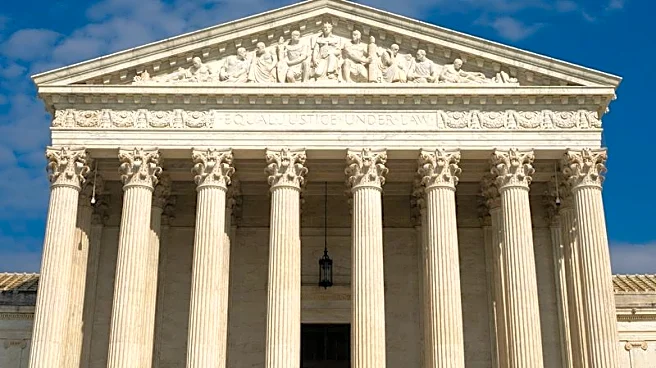
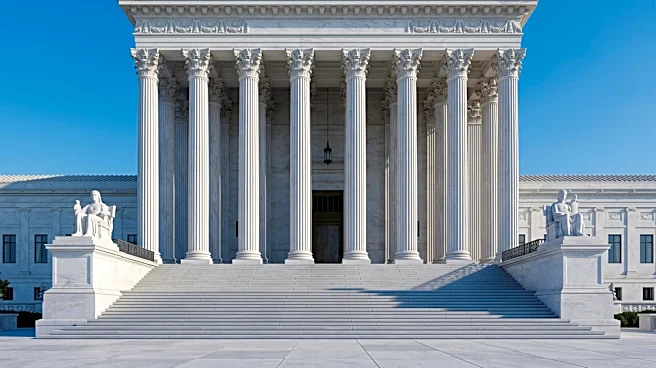
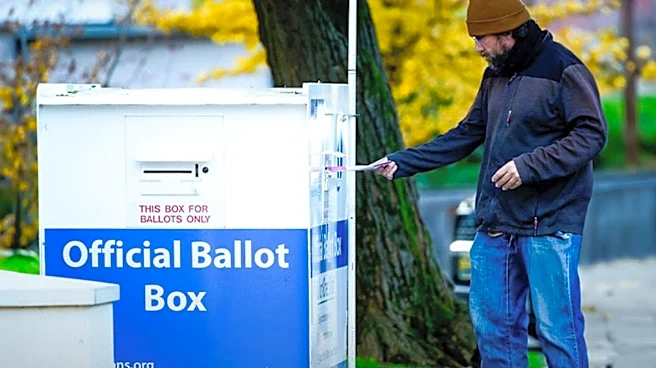
The Supreme Court is being asked to stay a preliminary injunction that prevents the U.S. Postal Service (USPS) from implementing a new rule regarding mail-in ballots for the 2026 election. This request comes from the Department of Justice after a District
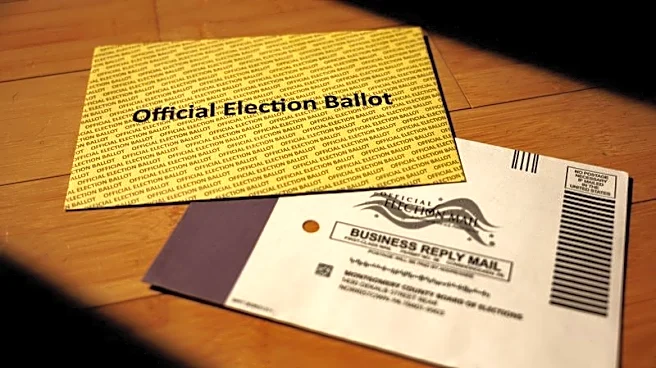
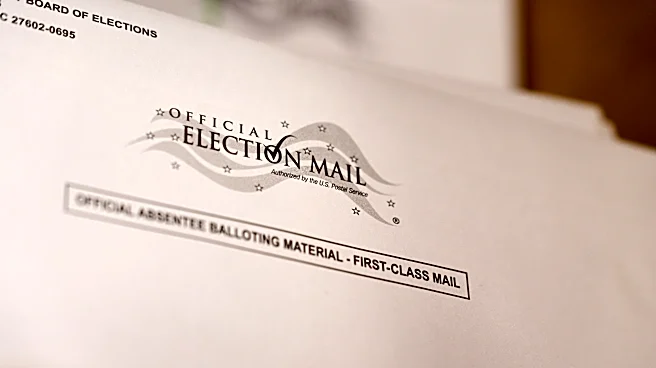
Court Judge, Indira Talwani, issued an injunction temporarily blocking the rule. The new USPS rule imposes nine preconditions for states and local election officials to satisfy before the USPS will deliver federal mail-in ballots. These conditions include a pre-mailing voter portal-enrollment requirement, where election officials must upload voter names and addresses with unique barcodes to a USPS online portal. Other conditions involve specific ballot envelope designs, such as requiring the official USPS Election Mail logo, automation compatibility, and unique Intelligent Mail barcodes for both outbound and return envelopes. Additionally, election officials would need to submit envelope exemplars for USPS review and enter outbound ballots at specific USPS facilities. Non-compliance with any of these conditions would result in the USPS returning ballots to senders, potentially disenfranchising voters. The plaintiff states argue that the USPS lacks statutory authority for these requirements and that implementing them so close to the election would cause significant disruption and voter disenfranchisement.
Why It's Important?
The Supreme Court's decision on this stay application holds significant implications for the integrity and accessibility of the 2026 U.S. elections. If the stay is granted, allowing the USPS rule to proceed, it could lead to widespread voter disenfranchisement due to the inability of many state and local election jurisdictions to comply with the new, complex requirements on short notice. This is particularly critical for jurisdictions that rely heavily on mail-in voting or where state laws might conflict with the new USPS conditions. The rule's implementation could also impose substantial financial and logistical burdens on election officials, diverting resources from other essential election administration tasks. Conversely, if the stay is denied, upholding the preliminary injunction, it would ensure that the 2026 election proceeds without the added complexities and potential disruptions of the new USPS rule. This would maintain the current mail-in ballot procedures, potentially safeguarding voter access and reducing administrative strain on election systems. The case also raises fundamental questions about the extent of USPS authority to regulate election mail and the balance between federal agency directives and state election administration.
What's Next?
The U.S. Court of Appeals for the First Circuit and the Supreme Court are expected to rule on the Government's stay applications this week. Justice Ketanji Brown Jackson has directed plaintiffs to file their opposition to the Government's Supreme Court stay application by tomorrow afternoon, followed by the Solicitor General's reply brief. If the Supreme Court denies the stay, the preliminary injunction will remain in effect, preventing the USPS from implementing its new mail-in ballot rule for the 2026 election. This would allow states to continue with their established mail-in voting procedures. If the Supreme Court grants the stay, the USPS rule would go into effect, requiring states and local election officials to rapidly comply with the new preconditions for ballot delivery, potentially leading to significant logistical challenges and legal disputes. Regardless of the immediate outcome, the underlying legal challenge to the USPS's statutory authority to issue such a rule will likely continue through the courts, potentially impacting future election cycles.
Beyond the Headlines
This case delves into deeper issues concerning federalism, administrative power, and the right to vote. The argument that the USPS lacks statutory authority to impose such conditions on election mail highlights a potential overreach of federal agency power into state-run election processes. The timing of the rule's promulgation, so close to a major election, also raises questions about the practical feasibility and fairness of implementing significant procedural changes without adequate lead time for states. Furthermore, the debate over the rule's stated purpose—to improve ballot delivery efficiency versus potential implications for voter fraud detection—underscores the ongoing political tensions surrounding election security and access. The Supreme Court's decision will not only determine the immediate operational landscape for the 2026 elections but could also set precedents for the balance of power between federal agencies and state election authorities, influencing future regulations on voting procedures and potentially impacting voter confidence in the electoral system.