





What's Happening?
The United States has decided not to renew a 30-day waiver of sanctions on Iranian oil, which is set to expire this week. This decision is part of a broader strategy to impose a blockade on shipments from Iranian ports. The waiver, initially issued by
the Treasury Department on March 20, allowed approximately 140 million barrels of oil to reach global markets, alleviating some pressure on energy supplies during the ongoing conflict with Iran. The Trump administration has consistently applied 'maximum pressure' on Iran, targeting its nuclear program and support for militants in the Middle East. Despite these efforts, sanctioned oil has continued to reach China. The expiration of the waiver marks the end of the administration's controversial approach to using sanctions waivers to stabilize global energy prices, which have surged since the U.S. and Israeli military actions against Iran began.
Why It's Important?
The decision to end the sanctions waiver on Iranian oil is significant as it underscores the U.S. administration's commitment to maintaining economic pressure on Iran. This move is likely to exacerbate tensions between the U.S. and Iran, potentially impacting global oil markets and energy prices. The waiver's expiration could lead to a reduction in global oil supply, further driving up prices. Additionally, the U.S. has warned countries like China, UAE, Oman, and Hong Kong about their financial institutions' involvement in facilitating Iranian transactions, indicating a broader enforcement of economic sanctions. This could strain diplomatic relations with these countries and impact international trade dynamics. The decision also reflects the U.S.'s strategic stance in the Middle East, aiming to curb Iran's influence and activities in the region.
What's Next?
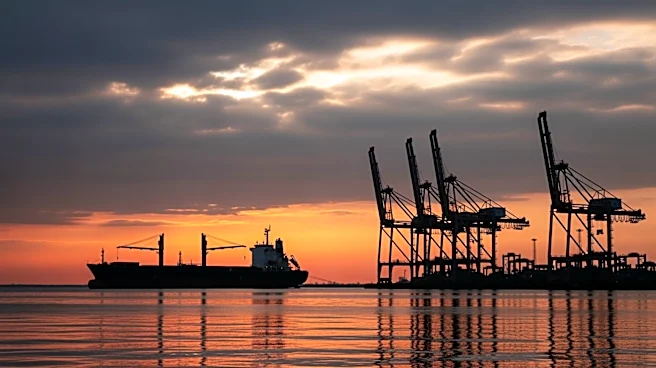
With the waiver's expiration, the U.S. is expected to continue its blockade of the Strait of Hormuz, a critical chokepoint for global oil shipments. This could lead to increased geopolitical tensions and potential disruptions in oil supply routes. The U.S. Treasury has already sent warnings to countries hosting banks that facilitate Iranian transactions, suggesting further sanctions could be imposed on non-compliant entities. The international community, particularly European allies, may seek diplomatic solutions to mitigate the impact on global energy markets and avoid further escalation. The situation remains fluid, with potential for renewed negotiations or increased military confrontations depending on Iran's response to the heightened economic pressure.