
What's Happening?
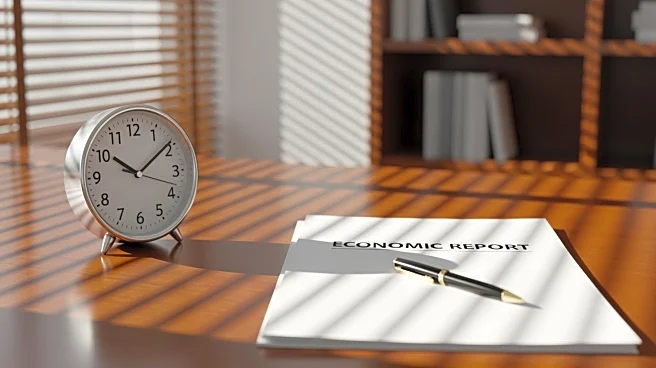
A recent report from the Federal Reserve Bank of New York indicates that 38.97% of Americans believe they will be worse off financially next year, marking the highest percentage during President Trump's
terms. This sentiment reflects an economy that, while technically growing, does not seem to be improving quickly enough for many households. Factors contributing to this outlook include ongoing inflation, new tariffs, and economic turbulence, which have led to increased costs for necessities and concerns over job security. The report also notes a slight improvement in unemployment expectations but highlights worsening perceptions of credit access.
Why It's Important?
The growing financial pessimism among Americans is a critical indicator of public sentiment towards the economy and the current administration. With inflation and tariffs impacting everyday costs, many households feel financially squeezed, leading to broader concerns about economic stability. This sentiment could influence public opinion and political dynamics, potentially affecting policy decisions and electoral outcomes. The situation underscores the challenges faced by the administration in addressing economic issues and restoring public confidence.
What's Next?
As the Federal Reserve and independent forecasters predict slower growth than the administration's forecasts, households are receiving mixed messages about the future. This discrepancy may lead to increased skepticism towards official economic narratives, as individuals prioritize their personal financial experiences over governmental assurances. The administration may need to address these concerns through policy adjustments or communication strategies to mitigate public anxiety and restore trust.