









What's Happening?
Citizens from countries participating in the United States Visa Waiver Program (VWP) are permitted to travel to the U.S. for up to 90 days without requiring a traditional visitor visa. This privilege is contingent upon obtaining approval through the Electronic
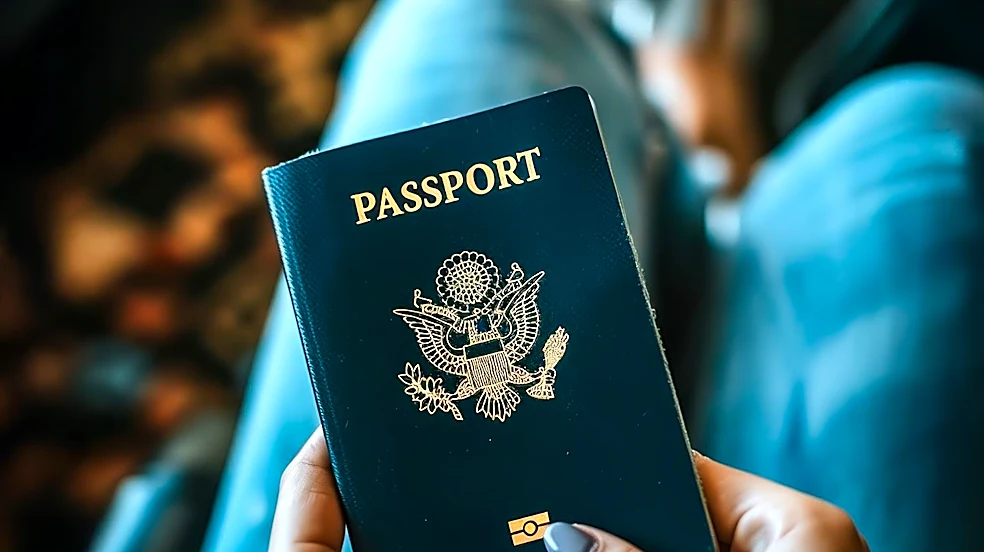
System for Travel Authorization (ESTA) and fulfilling other specific criteria. The ESTA authorization facilitates tourism or business visits and remains valid for two years or until the traveler's passport expires. According to U.S. Customs and Border Protection (CBP), eligible travelers must be citizens of a VWP country, possess a valid electronic passport, intend to travel for tourism or business, plan a stay of 90 days or less, and secure ESTA approval prior to boarding their transportation. The VWP includes numerous countries such as Australia, France, Germany, Japan, South Korea, and the United Kingdom, among others. While ESTA approval allows boarding, it does not guarantee admission into the U.S., as final entry decisions are made by CBP officers at the port of entry.
Why It's Important?
The Visa Waiver Program is a critical component of U.S. foreign policy and economic strategy, facilitating international travel and fostering stronger ties with allied nations. By streamlining entry for citizens of participating countries, the program significantly boosts tourism and business travel to the United States, contributing to the U.S. economy through spending on hospitality, retail, and other services. For businesses, it simplifies international engagements, conferences, and short-term projects, enhancing global commerce and collaboration. The program also serves as a tool for diplomatic relations, as inclusion in the VWP is often seen as a mark of trust and strong bilateral relations. Conversely, countries not included in the VWP face more stringent visa application processes, which can deter travel and impact economic and cultural exchanges. The program's security requirements, including ESTA, are designed to balance ease of travel with national security concerns, ensuring that visitors meet specific eligibility criteria before arrival.
What's Next?
Travelers from VWP countries planning a trip to the U.S. will continue to be required to apply for ESTA authorization online, ideally when booking their travel. The U.S. government regularly reviews the security and eligibility criteria for the VWP, and changes to participating countries or application procedures can occur based on evolving geopolitical landscapes and security assessments. Potential future developments could include the addition of new countries to the program, or conversely, the temporary suspension or removal of countries if they fail to meet security standards. Stakeholders, including airlines and travel agencies, will continue to advise travelers on the necessary ESTA requirements and any updates to the program. The ongoing emphasis on secure travel will likely lead to continuous enhancements in the ESTA application process and border security measures, ensuring both efficiency and safety for international visitors.
Beyond the Headlines
The Visa Waiver Program extends beyond mere travel facilitation; it reflects a broader U.S. strategy of balancing national security with economic and diplomatic interests. The program implicitly categorizes nations based on perceived security risks and economic stability, influencing how citizens from different countries are viewed and treated at U.S. borders. This differentiation can have subtle but significant impacts on international perceptions of the U.S. and its relationships with various global partners. For instance, the inclusion of a country in the VWP can be seen as an endorsement of its security protocols and governance, while exclusion can sometimes be interpreted as a lack of trust or a higher perceived risk. The program also highlights the increasing role of technology, like ESTA, in modern border management, shifting some of the security vetting to pre-departure processes rather than solely at the port of entry. This digital layer of security is a growing trend in international travel, aiming to enhance efficiency and security simultaneously.