

What's Happening?
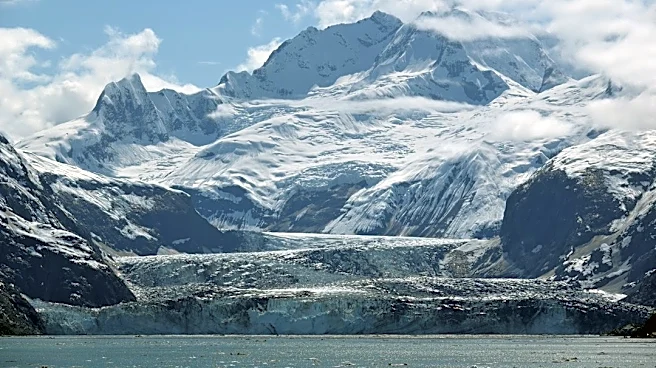
The U.S. Geological Survey reports that the influence of El Niño on Alaska's seasonal climate patterns is generally weak. Unlike other regions where El Niño is a strong predictor, Alaska's autumn and winter weather is more closely tied to factors such
as the persistence of the Aleutian Low, ocean temperatures in the North Pacific and Bering Sea, and the rate and coverage of sea ice development. These regional factors can either diminish or amplify El Niño's effects and are not easily predictable months in advance. While El Niño events can slightly increase the odds of a warmer-than-normal winter by 5-10%, particularly in Southeast Alaska, and slightly higher precipitation, these shifts are often modest. Past strong El Niño events have shown varied outcomes, with some winters being drier than normal in parts of Alaska despite the general expectation of increased precipitation. For instance, the 2015–2016 El Niño, which occurred during a marine heatwave, saw record dry conditions in western and central Alaska.
Why It's Important?
The limited predictability of El Niño's impact on Alaska is significant for natural resource management and local communities. Resource managers cannot solely rely on El Niño forecasts for planning related to snowfall accumulation, melt timing, or water availability. The complex interplay of Arctic dynamics, North Pacific and Bering Sea conditions, and sea ice formation means that localized weather dynamics play a crucial role in determining outcomes like snowfall. For landscapes historically accustomed to temperatures suitable for snow, warmer conditions could lead to less snow, impacting ecosystems, water resources, and winter activities. Conversely, higher elevations that are typically very cold and dry might experience more snowfall with increased precipitation. This variability necessitates a more nuanced approach to climate forecasting and adaptation strategies in Alaska, moving beyond broad El Niño predictions to consider a wider array of regional climatic drivers.
What's Next?
Given the complex and often unpredictable nature of El Niño's influence on Alaska, future efforts will likely focus on improving the understanding and forecasting of regional factors such as the Aleutian Low, North Pacific and Bering Sea ocean temperatures, and sea ice dynamics. Long-term trends indicating warmer seasonal temperatures suggest a continued shift towards warmer, wetter conditions with marginally less snow accumulation and shorter snow seasons across Alaska. This necessitates ongoing research into how these various climatic drivers interact and affect specific regions within Alaska. Resource managers and local communities will need to develop adaptive strategies that account for this inherent variability and the overarching warming trend, rather than relying on generalized El Niño forecasts, to manage natural resources effectively and prepare for changing environmental conditions.
Beyond the Headlines
The nuanced relationship between El Niño and Alaska's climate highlights a broader challenge in climate science: the regional variability of global climate phenomena. While El Niño is a significant global climate driver, its effects are not uniform across all regions. In Alaska's case, the dominance of local and regional atmospheric and oceanic conditions underscores the importance of localized climate modeling and research. This complexity also has ethical implications for climate communication, as oversimplifying El Niño's impact could lead to misinformed decisions by policymakers and the public. Understanding these regional specificities is crucial for developing effective climate adaptation strategies that are tailored to the unique environmental and socio-economic contexts of different areas, particularly in vulnerable regions like the Arctic, which are experiencing rapid climate change.