






What's Happening?
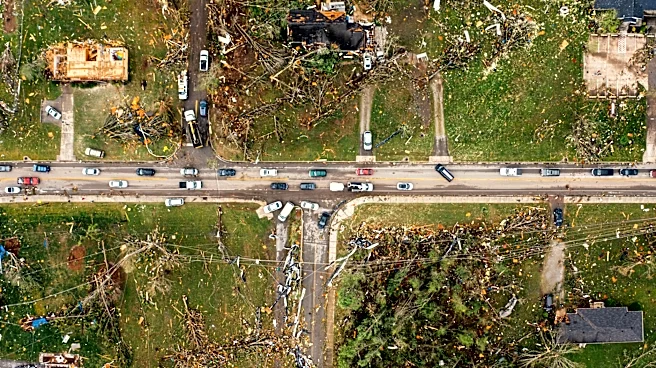
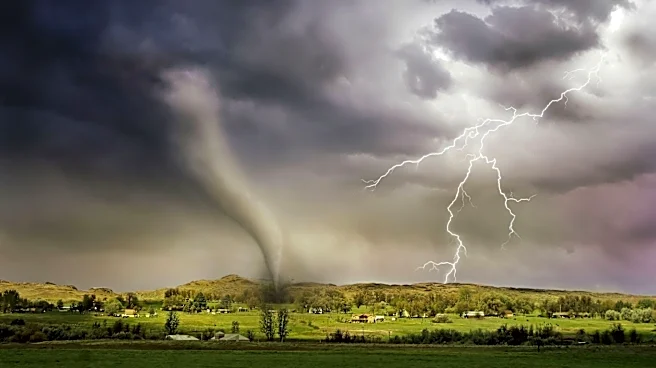
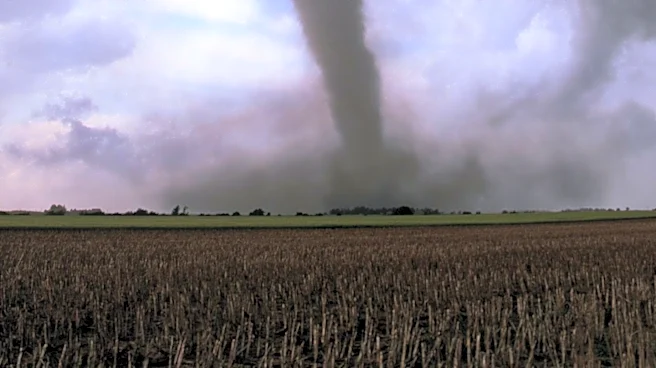
In 2026, Illinois has become the leading state for tornado activity in the U.S., recording 221 preliminary tornado reports by July 31, according to the National Oceanic and Atmospheric Administration (NOAA). This marks a significant increase from the state's
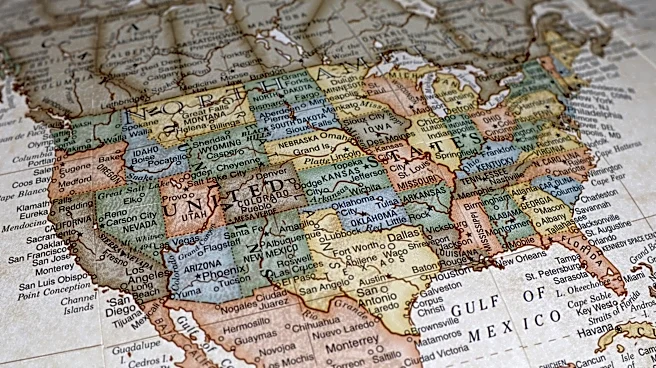
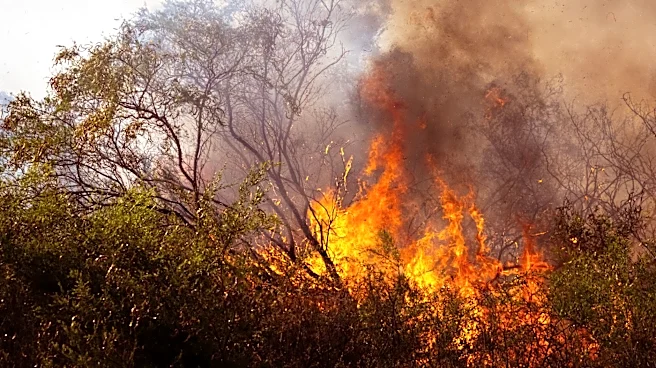
typical average of 52 tornadoes by this time of year. The shift in tornado activity has seen traditional 'Tornado Alley' states like Texas and Oklahoma experiencing below-average tornado occurrences. Meteorologists attribute this change to atmospheric patterns that have redirected storm systems northward, coupled with warm air aloft due to drought conditions in the western U.S.
Why It's Important?
The shift in tornado hotspots has implications for disaster preparedness and resource allocation in affected states. Illinois and other Midwest states may need to enhance their emergency response systems and infrastructure to cope with increased severe weather events. This change also highlights the dynamic nature of weather patterns and the potential impact of climate-related factors on regional weather phenomena. Understanding these shifts is crucial for policymakers, emergency services, and residents in adapting to new weather realities and mitigating risks associated with severe storms.