






What's Happening?
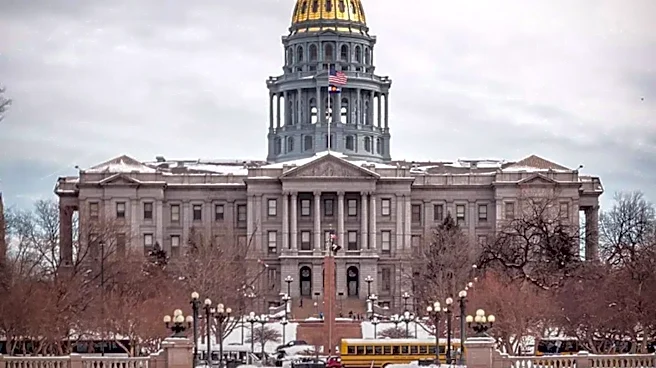
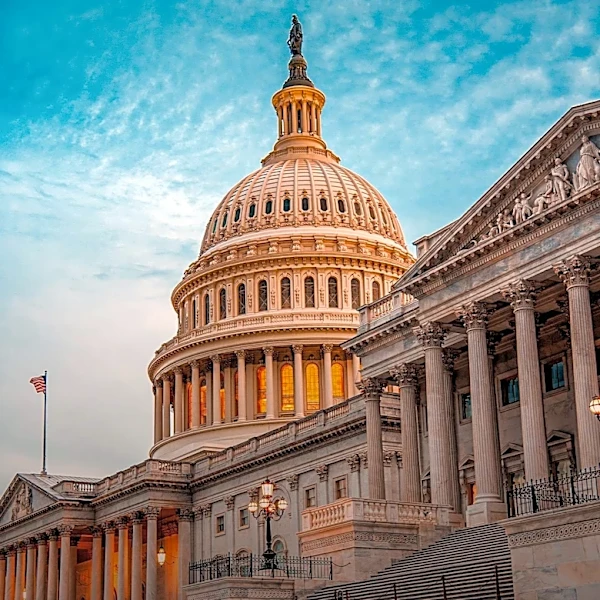
Colorado Governor Jared Polis and four U.S. Congress members, including Joe Neguse, Brittany Pettersen, Diana DeGette, and Jason Crow, have jointly sent a letter to Interior Secretary Doug Burgum and the Bureau of Land Management (BLM) demanding an immediate
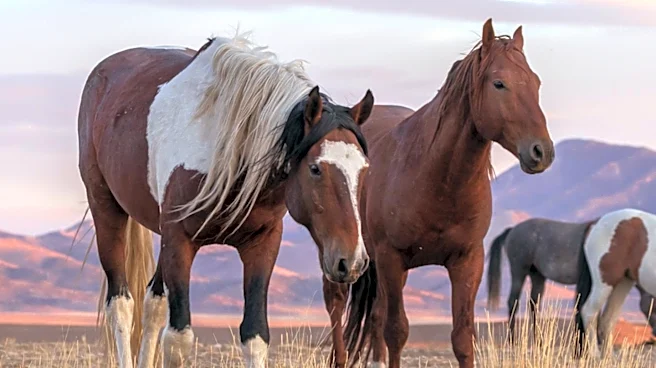
halt to helicopter-assisted wild horse roundups in the state. This action follows a large-scale roundup in August in the Piceance-East Douglas wild horse herd management area, where 894 wild horses were captured and 9 died. Another roundup is scheduled for the Sand Wash Basin, intensifying the debate between state and federal authorities over wild horse management. The lawmakers expressed deep concern for the safety and welfare of the horses, citing the inhumane nature of helicopter roundups, which can cause extreme stress, injury, and even death. Governor Polis described the roundups as 'inhumane,' noting that horses are 'frightened, injured, and terrified,' with some dying during the process. Congressman Neguse stated he was 'appalled' by recent footage of the roundups, emphasizing the 'extreme suffering, exhaustion, and injury' inflicted on the animals.
Why It's Important?
This dispute highlights a significant conflict between state-level concerns for animal welfare and federal land management policies. The call for a moratorium on helicopter roundups by Colorado's top officials underscores growing public and political pressure to adopt more humane and sustainable methods for managing wild horse populations. The BLM defends its current practices by stating that roundups are legally mandated when wild horse populations exceed the 'Appropriate Management Level' (AML) to prevent animal suffering and maintain ecological balance on Western rangelands. The agency argues that overpopulation, exacerbated by drought and wildfires, leads to resource scarcity, soil degradation, and competition with other wildlife and livestock. However, critics, including the Colorado lawmakers, contend that these methods are cruel and that alternatives, such as expanded fertility control programs, are more effective and ethical. The outcome of this debate could set a precedent for wild horse management across other Western states, influencing federal policy and potentially leading to a shift towards non-lethal population control methods.
What's Next?
The immediate next step involves the Interior Department and the BLM responding to the letter from Colorado's Governor and Congress members. The lawmakers have requested a delay of all scheduled roundups until comprehensive discussions with local stakeholders are completed and federal evidence is provided to justify helicopter roundups over more humane alternatives. Colorado has already begun implementing its own initiatives, with Governor Polis signing HB25-1283, which promotes a wild horse immunocontraception program through the Colorado Department of Agriculture and establishes a Wild Horse Advisory Committee. This committee recommends expanding fertility control as a safer and more cost-effective alternative to helicopter roundups. The state government's push for remote darting of PZP fertility vaccines for at least 80% of mares in each management area suggests a potential path forward. Future actions will likely involve continued advocacy from state officials and animal welfare groups, potentially leading to legislative efforts at the federal level to reform wild horse management practices. The BLM may face increased scrutiny and pressure to demonstrate the necessity and humanity of its current roundup methods.
Beyond the Headlines
The controversy surrounding wild horse management extends beyond immediate animal welfare concerns, touching upon broader issues of ecological balance, land use, and the cultural significance of wild horses in the American West. Wild horses are often seen as symbols of freedom and the frontier spirit, creating a strong emotional connection with the public. This makes their management a highly contentious issue, balancing conservation efforts with the ecological carrying capacity of public lands. The debate also highlights the tension between federal authority and state-level governance, particularly when local concerns about animal welfare or environmental impact diverge from national policies. The long-term implications could include a re-evaluation of the Wild Free-Roaming Horses and Burros Act of 1971, potentially leading to amendments that prioritize non-lethal population control and greater collaboration with state and local entities. Furthermore, the economic aspects of wild horse management, including the costs of roundups, holding facilities, and fertility control programs, will continue to be a significant factor in policy decisions, pushing for more cost-effective and sustainable solutions.