




What's Happening?
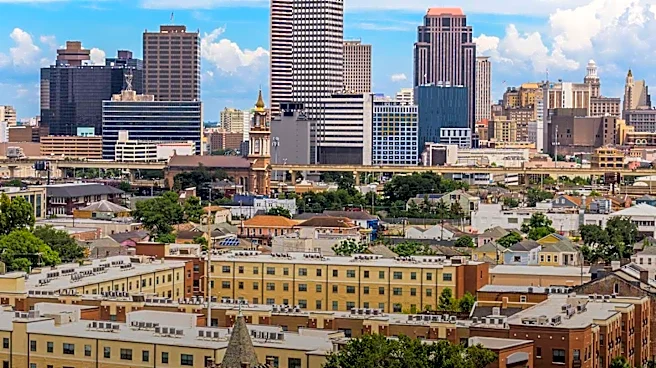
The Essence Festival of Culture, an annual event held in New Orleans over the July 4th weekend, faces an uncertain future regarding state funding. Traditionally, the festival has received significant financial support from the state, including an allocation
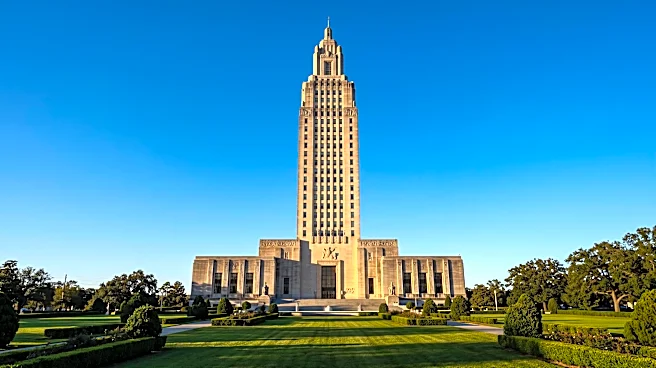
of $1.2 million for 2025. However, the current state budget does not include an allocation for the festival, raising questions about its continued presence in the city. This development comes as Louisiana lawmakers have increased public money for other events, committing at least $12.1 million in direct support for various college sports championships, rodeos, and other entertainment events for the current fiscal year. The state budget, approved in June, already included $400,000 for the Independence Bowl and $700,000 for golf course upgrades related to a canceled LIV Golf event. Additionally, $8.5 million was allocated for four other events: the 2028 College Football Playoff National Championship game, the Defenders of Liberty Air Show, the Southwest District Livestock Show and Rodeo, and Tales of the Cocktail. The specific distribution of this $8.5 million among these events has not been disclosed in budget documents.
Why It's Important?
The potential withdrawal of state funding for the Essence Festival of Culture carries significant implications for New Orleans and Louisiana's cultural and economic landscape. The festival is recognized as the largest gathering celebrating Black culture and music in the country, attracting attendees globally and contributing substantially to the local economy through tourism, hospitality, and related services. Its absence or reduced scale due to lack of funding could result in a considerable economic downturn for the city, impacting small businesses, hotels, and the job market. Furthermore, the festival serves as a vital platform for cultural expression and community engagement, and its diminished capacity could affect the cultural vibrancy of New Orleans. The state's decision to reallocate funds towards other events, such as rodeos and college sports, signals a shift in priorities that could be perceived as neglecting established cultural institutions in favor of newer or different types of attractions. This shift could also spark debate about the criteria and transparency used for allocating public funds to major events.
What's Next?
The future of the Essence Festival in New Orleans remains uncertain without the traditional state funding. Stakeholders, including festival organizers, city officials, and local businesses, will likely need to explore alternative funding sources or negotiate with the state for future allocations. The Times-Picayune has reported on the festival's uncertain future, indicating that discussions and decisions regarding its financial support are ongoing. The state's Major Events Incentive Fund, which received an additional $25 million from a state savings account in June, could be a potential avenue for the festival to secure funding in the coming months. However, the competition for these funds is high, with various events vying for support. The outcome of these financial discussions will determine whether the Essence Festival can maintain its scale and presence in New Orleans or if it will need to adapt its operations significantly. The situation may also prompt a broader review of how Louisiana allocates public money to major events and the long-term strategy for supporting cultural and economic drivers.
Beyond the Headlines
The situation surrounding the Essence Festival's funding highlights a deeper tension between economic development strategies and cultural preservation within Louisiana. While the state aims to attract events that bring tourists and economic benefits, the decision to potentially defund a long-standing cultural institution like the Essence Festival raises questions about the value placed on diverse cultural heritage. The festival is not merely an entertainment event; it is a significant cultural touchstone for the Black community, fostering identity, community, and economic empowerment. A reduction in state support could be seen as a broader trend of prioritizing certain types of events over others, potentially marginalizing cultural events that cater to specific demographics. This could lead to discussions about equitable distribution of public resources and the role of government in supporting cultural diversity. The long-term implications could include a shift in New Orleans' identity as a cultural hub if major events like the Essence Festival are unable to sustain their operations due to lack of public funding.