



What's Happening?
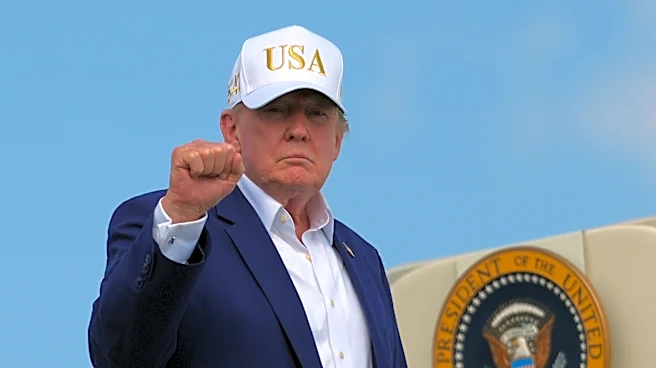
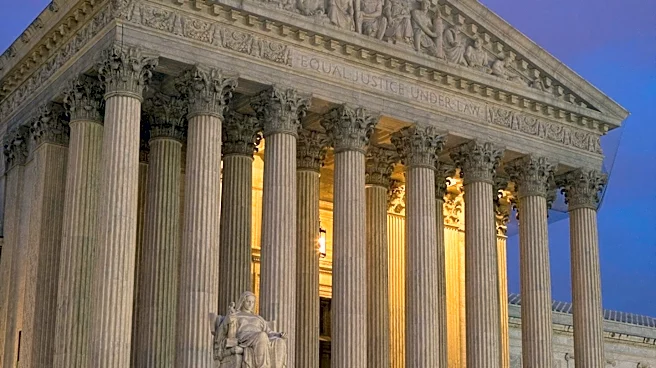
President Trump has signed two executive orders aimed at curtailing birth tourism, a practice where individuals travel to the U.S. to give birth and secure citizenship for their children. This move comes after the Supreme Court struck down a previous
attempt to limit birthright citizenship, ruling that the 14th Amendment guarantees citizenship to all born on U.S. soil. Trump's new orders seek to deny citizenship to children if their parents engaged in fraudulent activities to obtain it and to bar visas for suspected birth tourists. Legal experts suggest these orders will face significant legal challenges, as the Supreme Court has already addressed the issue of birthright citizenship.
Why It's Important?
The executive orders represent a continuation of President Trump's restrictive immigration agenda, which has been a central theme of his presidency. The orders could impact thousands of families and individuals who rely on birthright citizenship as a pathway to U.S. citizenship. Legal experts argue that these measures may not withstand judicial scrutiny, given the Supreme Court's recent ruling affirming broad citizenship rights. The orders also highlight ongoing debates about immigration policy and the interpretation of the 14th Amendment, which could have long-term implications for U.S. immigration law and policy.
What's Next?
The executive orders are expected to face legal challenges, with scholars divided on their potential success in court. The orders may lead to further judicial review and could be subject to injunctions or reversals. The administration will need to navigate complex legal terrain to implement these policies, and the outcome could influence future immigration legislation. Stakeholders, including immigration advocates and legal experts, will likely continue to contest these measures, emphasizing the constitutional protections of birthright citizenship.
Beyond the Headlines
The orders raise ethical and legal questions about the balance between national security and individual rights. They also reflect broader cultural and political tensions surrounding immigration in the U.S. The potential expansion of exceptions to birthright citizenship could set precedents affecting diplomatic relations and international law. The discourse around birth tourism underscores the challenges of defining citizenship in a globalized world, where mobility and migration are increasingly common.