





What's Happening?
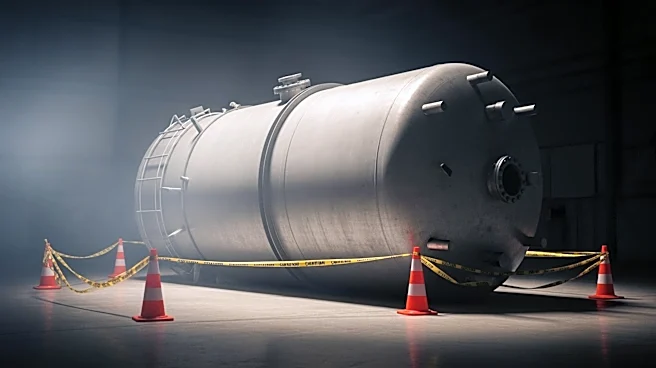
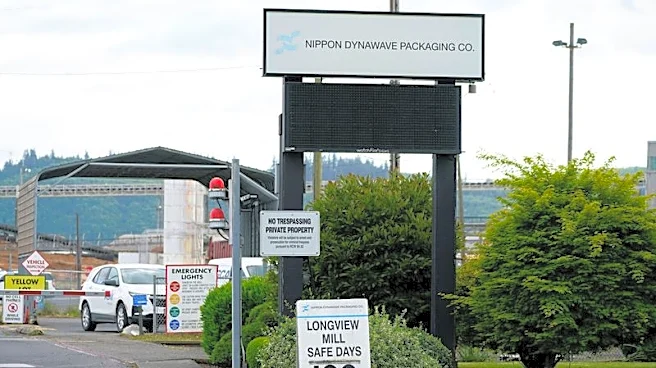
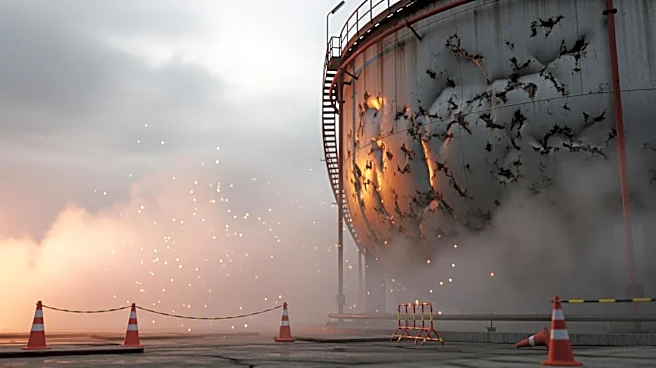
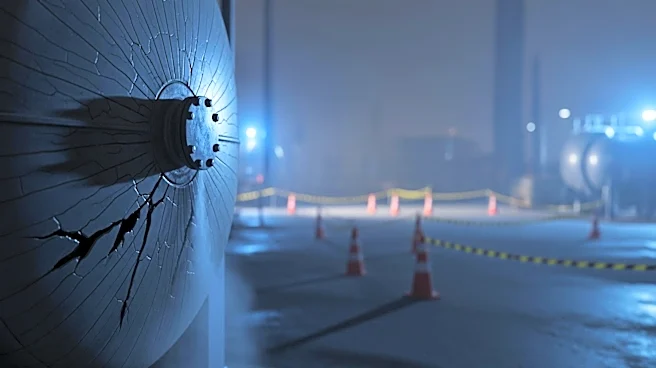
A chemical tank rupture at the Nippon Dynawave Packaging facility in Longview, Washington, has resulted in 11 fatalities. The incident occurred when a tank containing 'white liquor,' a chemical solution used in paper pulp production, imploded. Initially,
two deaths were confirmed, but the recovery of nine missing individuals has brought the total to 11. The ruptured tank held approximately 900,000 gallons of the chemical, and contamination has been detected in the nearby Columbia River. Despite this, officials report no negative impacts on air quality or Longview's drinking water. The facility is owned by Nippon Paper Industries, which acquired it in 2016.
Why It's Important?
This incident underscores the potential dangers associated with industrial chemical storage and the importance of stringent safety regulations. The contamination of the Columbia River raises environmental concerns, highlighting the need for effective disaster response and prevention strategies. The fatalities also bring attention to workplace safety in industrial settings, emphasizing the need for robust safety protocols to protect workers. The incident may prompt regulatory reviews and increased scrutiny of chemical storage practices, impacting the paper manufacturing industry and potentially leading to policy changes.
What's Next?
Authorities are likely to conduct thorough investigations to determine the cause of the tank rupture and assess the environmental impact. This could lead to regulatory changes aimed at preventing similar incidents in the future. Nippon Dynawave Packaging and other companies in the industry may face increased pressure to enhance safety measures. Environmental groups and local communities might advocate for stricter regulations and monitoring to protect public health and the environment.
Beyond the Headlines
The incident highlights the broader issue of industrial safety and environmental protection. It raises questions about the adequacy of current regulations and the balance between industrial growth and environmental stewardship. The event may also influence public perception of industrial operations near residential areas, potentially affecting future zoning and development decisions.