






What's Happening?
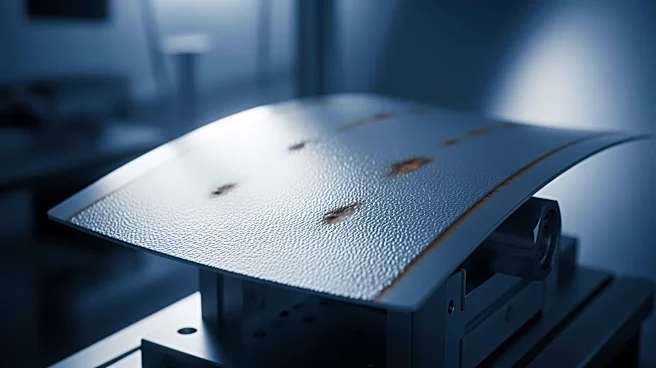
NASA's Ames Research Center has successfully tested a new heat shield technology, C-PICA, developed in collaboration with Varda Space Industries. This technology was tested during the re-entry of Varda's W-5 spacecraft, demonstrating its effectiveness
in protecting spacecraft from the intense heat of atmospheric entry. The test was part of NASA's Flight Opportunities program, which aims to advance commercial space capabilities. The success of this test is seen as a significant step in enabling routine orbital returns and expanding the U.S. space economy.
Why It's Important?
The successful testing of the C-PICA heat shield represents a major advancement in thermal protection systems, crucial for the safety and viability of future space missions. This development not only enhances NASA's capabilities but also supports the growth of commercial space ventures by providing reliable re-entry technology. The collaboration between NASA and Varda Space Industries exemplifies the potential of public-private partnerships in accelerating technological innovation and fostering a competitive space industry. This could lead to more cost-effective and frequent space missions, benefiting both government and commercial stakeholders.
What's Next?
Following the successful test, NASA and Varda Space Industries are likely to continue their collaboration to further refine and commercialize the C-PICA technology. This could involve additional testing and potential integration into future NASA missions or commercial spaceflights. The broader space industry may also see increased interest in similar partnerships, as companies seek to leverage NASA's expertise to enhance their own capabilities. The success of this project could pave the way for more ambitious space exploration missions and the development of a sustainable space economy.