








What's Happening?
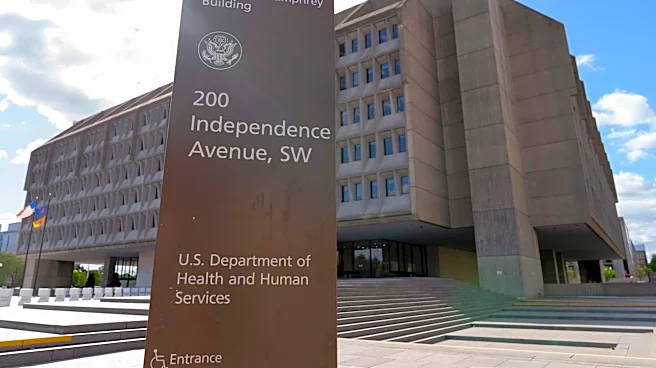
A coalition of states has filed a lawsuit against the Trump administration in response to new work requirements for Medicaid recipients. The lawsuit, filed in the US District Court for the District of Massachusetts, challenges the federal government's
plan to mandate that able-bodied adults on Medicaid work, volunteer, or train for at least 80 hours a month to qualify for healthcare benefits. The states argue that these requirements impose unnecessary administrative burdens on medically frail individuals who need healthcare coverage. This legal action represents the latest development in the ongoing debate over federal healthcare policies.
Why It's Important?
The lawsuit highlights the tension between state governments and the federal administration over healthcare policy, particularly concerning Medicaid, which provides essential health coverage to millions of low-income Americans. The outcome of this legal battle could significantly impact Medicaid recipients, potentially affecting their access to healthcare services. If the work requirements are upheld, it could set a precedent for further restrictions on public assistance programs, influencing public policy and the lives of vulnerable populations. Conversely, a ruling against the requirements could reinforce states' autonomy in managing Medicaid programs.
What's Next?
The legal proceedings will likely involve extensive arguments from both sides, with potential implications for future healthcare policy. Stakeholders, including healthcare providers, patient advocacy groups, and policymakers, will closely monitor the case. The decision could prompt legislative or administrative changes, depending on the court's ruling. Additionally, the case may influence public opinion and political discourse around healthcare reform, particularly in the context of upcoming elections.