






What's Happening?
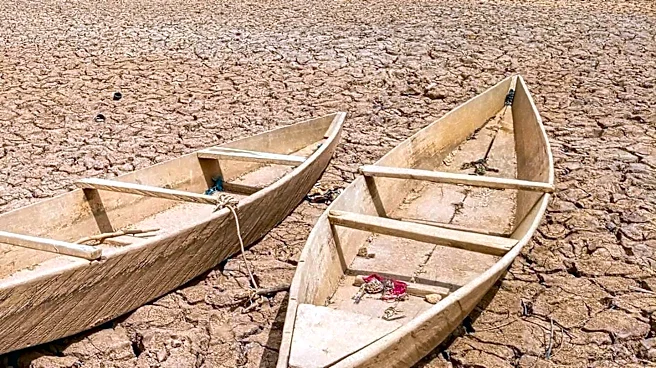
Parts of the United States, particularly in the Western and Midwest regions, are experiencing a significant decrease in mosquito populations due to historic drought conditions exacerbated by climate change. States like Minnesota, North Dakota, and Colorado
have reported mosquito levels dropping by 50% to 70%. Despite the reduction in mosquito numbers, the risk of West Nile virus remains high, with case numbers reaching a 22-year high in the U.S. The drought has concentrated mosquito breeding around smaller water bodies, increasing the potential for virus transmission.
Why It's Important?
The decline in mosquito populations might seem beneficial, but it poses a paradoxical threat to public health. The concentration of mosquitoes in limited water sources can enhance the spread of viruses like West Nile, which has already resulted in 143 reported cases and five deaths in the U.S. this year. The situation highlights the complex relationship between climate change, environmental conditions, and public health risks. It underscores the need for continued monitoring and public health strategies to mitigate the impact of mosquito-borne diseases.
What's Next?
Experts anticipate that mosquito populations could rebound when environmental conditions change, potentially leading to even larger swarms. Scientists are exploring biohacking methods to control mosquito reproduction and community initiatives to treat water sources with insecticides. Public health officials will need to remain vigilant and adapt strategies to manage the risks associated with fluctuating mosquito populations and the spread of diseases like West Nile virus.