






What's Happening?
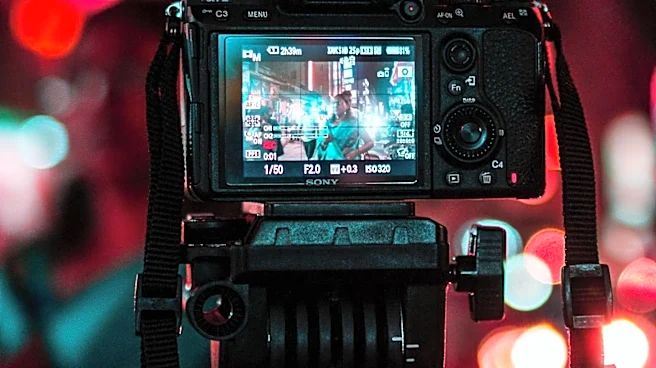
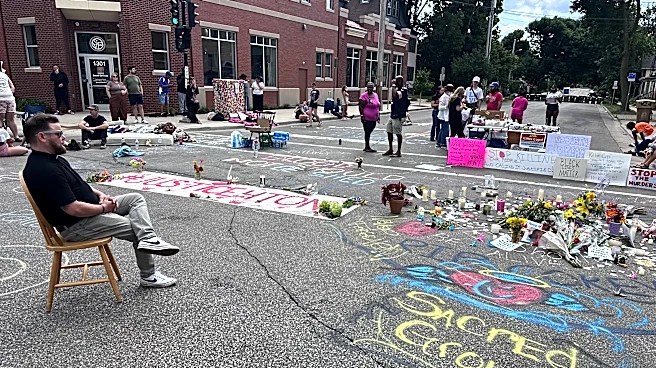
The absence of body camera footage in the fatal police shooting of Corey Ruiz in Madison, Wisconsin, has sparked renewed debate over the city's decision not to equip officers with body-worn cameras. Despite widespread adoption of such technology in similar-sized
cities, Madison has not implemented a body camera program, citing budget constraints and political inertia. The lack of footage has left key moments of the incident unclear, fueling public frustration and calls for transparency. A proposal to fund a body camera program is expected to be approved, but past efforts have been stalled by concerns over privacy and surveillance.
Why It's Important?
The absence of body camera footage in the Ruiz shooting highlights a significant gap in police accountability and transparency. Body cameras are widely regarded as essential tools for modern policing, providing objective evidence in contentious situations. The lack of such footage in Madison undermines public trust and complicates efforts to hold officers accountable. The situation underscores the broader challenges cities face in balancing technological adoption with privacy concerns and budgetary limitations. The outcome of this debate could influence policing practices and community relations in Madison and potentially set a precedent for other cities grappling with similar issues.
What's Next?
The Madison Common Council is expected to approve a proposal to allocate funds for a body camera program, which could be a pivotal step toward enhancing police accountability. The decision will likely involve further discussions on how to implement the program effectively while addressing community concerns. The ongoing investigation into the Ruiz shooting may also prompt additional policy changes and reforms. Community advocacy and public pressure are expected to play a significant role in shaping the future of policing in Madison, with potential implications for broader national discussions on police reform.


