







What's Happening?
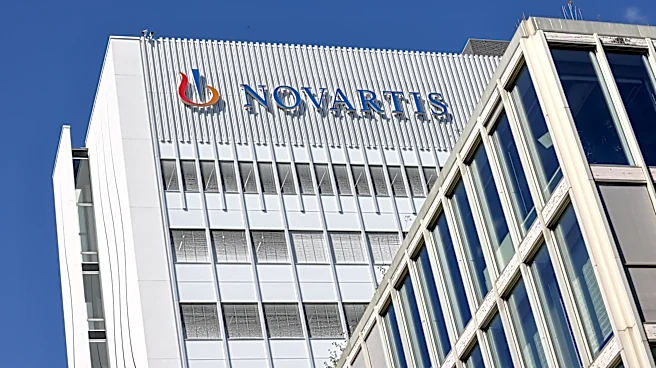
Novartis is set to present data from nearly 60 abstracts at the 2026 San Antonio Breast Cancer Symposium (SABCS) and 68th American Society of Hematology (ASH) Annual Meeting & Exposition. These presentations aim to reinforce Novartis's leadership in breast
cancer and hematology, showcasing both approved medicines and a pipeline of next-generation therapies. Key highlights at SABCS include two late-breaking abstracts: a NATALEE nodal analysis providing long-term evidence for Kisqali, and the first clinical data presentation for SNV4818 (now RAE346) following its acquisition from Synnovation. At ASH, Novartis will feature eight oral presentations, including 144-week Phase III MANIFEST-2 results for investigational pelabresib. Andrea Myers, Global Head, Oncology Development, Ad Interim, Novartis, stated that the data reflect the company's commitment to advancing science for patients with cancer and serious blood disorders, deepening understanding of existing and investigational medicines, and exploring new approaches rooted in disease biology.
Why It's Important?
The presentation of extensive new data by Novartis at these prominent medical conferences is significant for the oncology and hematology fields. For breast cancer patients, the long-term efficacy data for Kisqali from the NATALEE trial could further solidify its role in treatment protocols, potentially offering more robust evidence for its use in hormone receptor-positive/HER2-negative early breast cancer. The introduction of clinical data for RAE346 signals potential new therapeutic avenues. In hematology, the 144-week results for pelabresib in myelofibrosis could provide crucial insights into its long-term safety and efficacy, impacting treatment strategies for this serious blood disorder. These advancements could lead to improved patient outcomes, offering new or more effective treatment options and contributing to the evolution of clinical practice in these complex disease areas. The data also underscore Novartis's ongoing investment in research and development, aiming to maintain its competitive edge and leadership in these therapeutic areas.
What's Next?
Following the presentations at SABCS and ASH, the detailed data will be scrutinized by the medical community, potentially influencing clinical guidelines and treatment decisions. Positive outcomes from these studies could lead to further clinical trials, regulatory submissions for new indications, or expanded use of existing therapies. For investigational drugs like pelabresib and RAE346, favorable data will be critical for their continued development and eventual market approval. Clinicians will likely integrate these findings into their practice, potentially altering treatment paradigms for patients with breast cancer and various hematological conditions. Novartis will continue to monitor the reception of this data and plan subsequent research and development efforts based on the feedback and scientific consensus. The company's ongoing commitment to innovation suggests a continuous pipeline of new therapies and further data presentations at future medical meetings.
Beyond the Headlines
The continuous unveiling of new clinical data by pharmaceutical giants like Novartis highlights the dynamic and rapidly evolving landscape of cancer treatment. Beyond the immediate impact on patient care, these presentations reflect broader trends in pharmaceutical research, including the increasing focus on targeted therapies, biomarker-driven approaches, and long-term efficacy and safety data. The acquisition of SNV4818 (now RAE346) by Novartis also points to the strategic importance of mergers and acquisitions in expanding drug pipelines and accelerating the development of novel treatments. Furthermore, the emphasis on understanding disease biology underscores a shift towards more personalized medicine, where treatments are tailored to the specific characteristics of a patient's cancer. This ongoing scientific endeavor not only offers hope for improved patient survival and quality of life but also drives significant economic activity within the healthcare sector, influencing investment in biotechnology and pharmaceutical research.