




What's Happening?
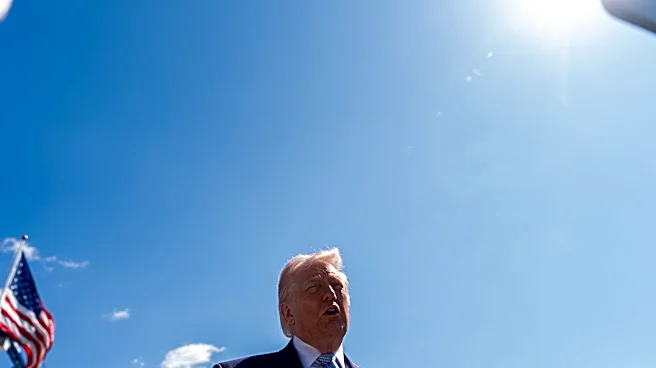
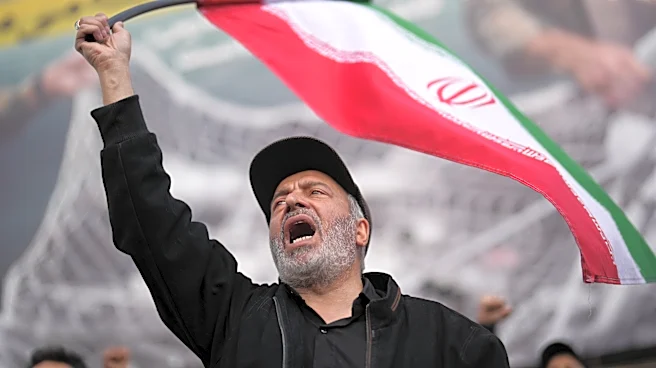
In Islamabad, senior officials from the United States and Iran have commenced negotiations with Pakistani intermediaries. Iran has outlined its 'red lines,' which include demands for control over the Strait of Hormuz, the release of blocked assets, and regional
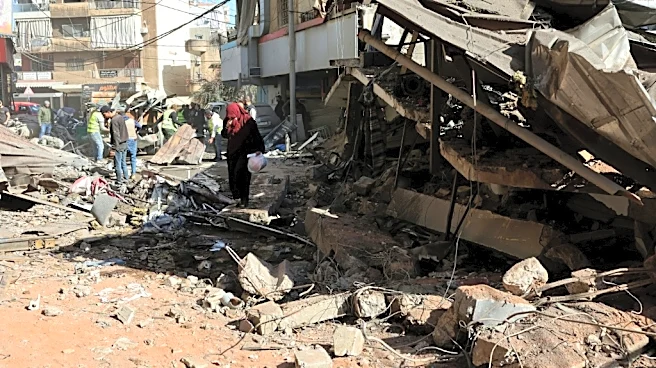
ceasefire enforcement. The U.S. delegation, led by Vice President JD Vance, is negotiating under the shadow of these demands. The talks are part of efforts to resolve a six-week-old conflict that has seen significant military engagement. Iran's distrust of the U.S. is a major hurdle, with Tehran insisting on guarantees before proceeding with further negotiations.
Why It's Important?
The negotiations are crucial for regional stability and international relations. The Strait of Hormuz is a strategic chokepoint for global oil supplies, and its control is a significant geopolitical issue. Iran's demands reflect its strategic interests and regional influence, while the U.S. aims to ensure the free flow of oil and reduce regional tensions. The outcome of these talks could impact global oil prices and economic stability, as well as influence U.S. foreign policy in the Middle East. Successful negotiations could lead to a de-escalation of military tensions and a more stable geopolitical environment.
What's Next?
The talks are expected to continue, with both sides seeking a compromise. The U.S. may need to offer concessions to meet some of Iran's demands, while Iran will have to address U.S. concerns about its nuclear program and regional activities. The involvement of Pakistan as a mediator could facilitate dialogue, but the complex nature of the issues means that a resolution may not be immediate. The international community will be watching closely, as the outcome could have significant implications for global energy markets and regional security.