






What's Happening?
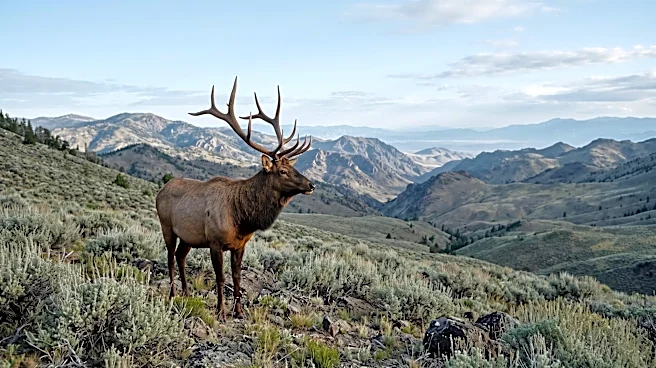
Scientists in Nevada are actively investigating a mysterious pattern of springtime elk deaths that has persisted for over a decade in the northern part of the state. Researchers are focusing on an elk herd in the Independence and Tuscarora mountains,
north of Elko, where 10% to 30% of collared female elk have died in some years. This phenomenon, informally termed 'seasonal elk mortality syndrome,' is particularly puzzling because these deaths occur during spring, a period when elk typically thrive due to abundant forage and calving. Ava Window, a University of Nevada, Reno researcher, and her colleagues are collaborating with the Nevada Department of Wildlife to uncover the cause. Examinations of deceased elk have revealed heart damage, lesions, and excessive fluid around the heart and in the chest cavity. A consistent clue found in the corpses is low copper levels, an essential trace mineral. Researchers are analyzing plants, soils, and elk diets to determine if the animals are not getting enough copper from their environment or if other minerals are hindering its absorption.
Why It's Important?
The ongoing mysterious elk deaths in Nevada are significant because they could provide crucial insights into broader wildlife health issues across the Western United States. Understanding the cause of 'seasonal elk mortality syndrome' could reveal vulnerabilities in elk populations related to nutrition, environmental factors, or emerging diseases. If the low copper levels are indeed a contributing factor, it highlights potential mineral deficiencies in the landscape that could affect other wildlife species as well. This research is vital for wildlife management agencies like the Nevada Department of Wildlife, as it could inform strategies to improve elk health and resilience. Similar concerns about mineral imbalances have surfaced in other Western elk populations, linking low selenium to hoof disease in the Pacific Northwest and inadequate zinc and selenium levels in Idaho. The Nevada study could therefore contribute to a more comprehensive understanding of how nutrition impacts elk health across the entire region.
What's Next?
Researchers will continue their in-depth analysis of plants, soils, and elk diets to pinpoint the exact cause of the low copper levels and determine if this mineral imbalance is directly responsible for the elk deaths. The team is also exploring whether these nutritional deficiencies weaken the elk's immune systems, making them more susceptible to pathogens or other environmental threats. Future steps will involve further investigation into potential pathogens or other stressors that might be acting in conjunction with the mineral imbalance. The findings from this study could lead to recommendations for habitat management or supplemental feeding strategies, if deemed appropriate and feasible, to address nutritional deficiencies. The Nevada Department of Wildlife will use the research outcomes to refine its elk management plans and potentially collaborate with other Western states facing similar wildlife health challenges.
Beyond the Headlines
The decade-long mystery of elk deaths in Nevada points to deeper ecological complexities and the subtle ways environmental changes can impact wildlife. The focus on mineral imbalances, such as copper deficiency, underscores the intricate relationship between soil composition, plant nutrition, and animal health. This research could reveal how human activities, such as land use changes, mining, or agricultural practices, might indirectly alter the availability of essential minerals in the environment, thereby affecting wildlife. Furthermore, the study highlights the challenges of diagnosing chronic, multi-factorial health issues in wild populations, where the 'smoking gun' may not be a single pathogen but a combination of stressors. The findings could also inform broader conservation efforts by emphasizing the importance of maintaining diverse and nutrient-rich habitats to support robust wildlife populations, especially in the face of climate change and increasing environmental pressures across the Western U.S.