
What's Happening?
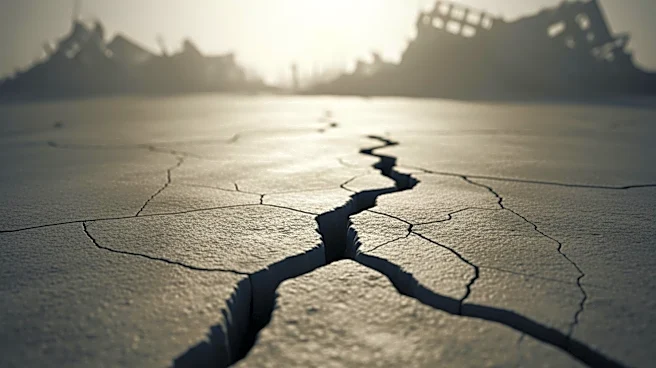
The 1985 Mexico earthquake remains one of the deadliest natural disasters in history, with a magnitude of 7.8 to 8.1, causing massive destruction in Mexico City despite the epicenter being 250 miles away.
The quake resulted in the deaths of at least 9,500 people, with some estimates reaching 10,000. The destruction was particularly severe in buildings taller than five stories, highlighting the vulnerability of certain structures to seismic activity. Experts like Dr. Lucy Jones and Pablo Ampuero emphasize that even distant earthquakes can have catastrophic impacts on urban areas.
Why It's Important?
The 1985 earthquake serves as a critical case study in understanding the risks posed by seismic activity, especially in densely populated urban areas. It underscores the importance of earthquake preparedness and the need for stringent building codes to mitigate damage. The event has influenced seismic research and policy, leading to improved construction standards and emergency response strategies. Understanding the factors that contributed to the high death toll and destruction can inform current and future efforts to enhance urban resilience against natural disasters.
Beyond the Headlines
The earthquake's impact extends beyond immediate destruction, affecting economic and social structures in Mexico. It prompted significant changes in building regulations and urban planning, aiming to prevent similar tragedies. The event also highlighted the need for international cooperation in disaster response and recovery efforts. Long-term, the earthquake has influenced cultural perceptions of risk and safety, shaping public awareness and government policies on disaster preparedness.