






What's Happening?
The atomic bomb, developed under the secret U.S.-led Manhattan Project during World War II, was first successfully tested on July 16, 1945, in New Mexico. This monumental scientific undertaking involved top scientists from Europe and the United States.
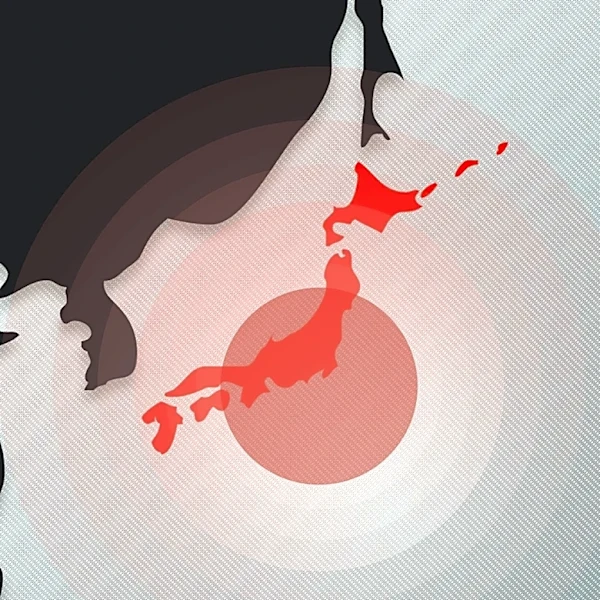
Following the test, two atomic bombs were deployed against Japan in August 1945. The first, 'Little Boy,' a uranium bomb, was dropped on Hiroshima on August 6, causing an estimated 140,000 deaths and reducing over five square miles of the city to ashes. Three days later, on August 9, the plutonium bomb 'Fat Man' was dropped on Nagasaki, resulting in approximately 74,000 immediate deaths and devastating 2.6 square miles of the city. Both bombings led to tens of thousands more deaths in the subsequent weeks, months, and years due to radiation exposure. The bombs exploded at an altitude of around 1,625 feet, creating immense fireballs, shockwaves, and widespread destruction. The decision to use these weapons was made by President Harry Truman, with the aim of forcing Japan's surrender and avoiding a costly land invasion of the Japanese mainland.
Why It's Important?
The development and deployment of the atomic bomb marked a pivotal moment in human history, fundamentally altering warfare and international relations. Its immediate impact led to Japan's surrender, effectively ending World War II and saving an estimated half-million American casualties that a full-scale invasion might have incurred. However, the bombings also introduced the world to the terrifying destructive power of nuclear weapons, creating a lasting fear of global annihilation. This event ushered in the nuclear age, profoundly influencing geopolitical strategies, arms races, and the Cold War. The ethical implications of using such a devastating weapon continue to be debated, highlighting the moral complexities of scientific advancement in times of conflict. The bombings also spurred calls from scientists, including J. Robert Oppenheimer and Leo Szilard, for international control or outright bans on nuclear weapons, recognizing the existential threat they posed to humanity.
What's Next?
The immediate aftermath of the atomic bombings led to Japan's surrender on August 15, 1945, officially ending World War II. In the long term, the existence of nuclear weapons initiated a global arms race, particularly between the United States and the Soviet Union, defining much of the Cold War era. This period saw continuous development of more powerful nuclear devices, such as the hydrogen bomb, first tested in 1952. The bombings also spurred international efforts to control nuclear proliferation, leading to treaties and organizations aimed at preventing the spread and use of such weapons. The debate over nuclear disarmament and the potential for future nuclear conflicts remains a significant global concern, with ongoing discussions about the role of nuclear deterrence and the risks of accidental or intentional use.
Beyond the Headlines
The atomic bomb's creation and use transcended its immediate military objectives, ushering in profound ethical, legal, and cultural shifts. The sheer scale of destruction and the lingering effects of radiation introduced a new dimension to warfare, raising fundamental questions about humanity's capacity for self-destruction. Culturally, the atomic bomb became a symbol of both scientific triumph and existential dread, influencing art, literature, and public consciousness for decades. Legally, it spurred the development of international humanitarian law concerning weapons of mass destruction. The scientific community, deeply involved in its creation, grappled with the moral responsibility of their work, with many advocating for peace and arms control. The legacy of the atomic bomb continues to shape global security policies, emphasizing the delicate balance between technological advancement and the imperative for peace and survival.