







What's Happening?
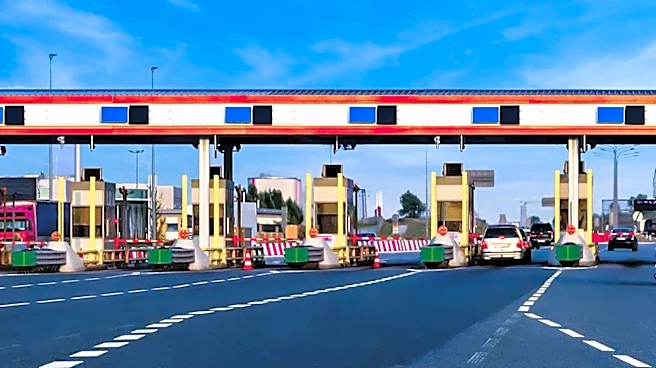
California toll facilities are phasing out the use of battery-operated transponders, with these devices no longer being read after December 31, 2026. This change is due to the obsolescence of 'Title 21 technology' used in these older transponders. Drivers
who currently use battery-operated transponders are advised to switch to sticker transponders or FasTrak Flex transponders. Sticker transponders are recommended for general use, while FasTrak Flex transponders are specifically suggested for those who frequently use facilities offering carpool discounts. The transition aims to modernize toll collection systems across California, ensuring compatibility with current and future infrastructure. Toll bills for vehicles without transponders are mailed to the address on the vehicle registration and may take several weeks to arrive.
Why It's Important?
This technological upgrade is significant for California motorists, particularly those who regularly use toll roads and bridges. The discontinuation of battery-operated transponders necessitates action from drivers to avoid potential issues with toll payments, such as missed tolls or fines. The move towards sticker and FasTrak Flex transponders reflects an effort to enhance the efficiency and reliability of toll collection, reducing the likelihood of technical malfunctions associated with older technology. For drivers, this means a more seamless experience, provided they update their transponders in a timely manner. For toll authorities, it streamlines operations and reduces maintenance costs associated with supporting outdated systems. The change also impacts car rental companies and out-of-state visitors, who will need to be aware of California's updated tolling requirements to ensure compliance.
What's Next?
Drivers in California who currently use battery-operated transponders must acquire new sticker transponders or FasTrak Flex transponders before the December 31, 2026 deadline. Toll authorities will likely launch public awareness campaigns to inform motorists about the impending change and guide them through the process of obtaining new devices. It is crucial for drivers to adhere the new sticker transponders to their vehicles correctly or ensure their FasTrak Flex transponders are properly configured, especially if they intend to utilize carpool discounts. Failure to transition to the newer technology could result in tolls being processed via Toll-By-Plate, which involves mailed bills and potentially delays, or even penalties if payments are missed. The focus will be on ensuring a smooth transition for millions of drivers across the state.
Beyond the Headlines
The phasing out of older transponder technology in California is indicative of a broader trend in transportation infrastructure towards continuous technological evolution. As systems become more integrated and data-driven, older hardware often becomes incompatible or inefficient. This transition highlights the ongoing challenge for public agencies to balance technological advancement with public convenience and accessibility. It also underscores the importance of clear communication from toll authorities to prevent confusion and ensure compliance among a diverse driving population. Furthermore, the shift towards more advanced transponders could pave the way for future innovations in traffic management, such as more sophisticated dynamic pricing models or integrated payment systems that extend beyond traditional tolls, contributing to a smarter transportation network.