


What's Happening?
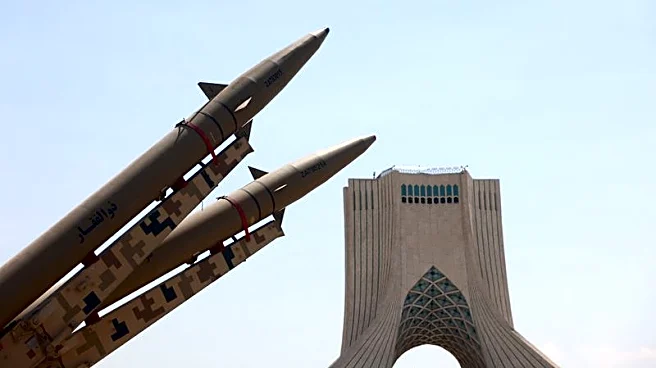
Gulf states, including Saudi Arabia, the UAE, and Qatar, are shifting their strategy from seeking Iran's defeat to a containment approach within a stable regional order. This change is driven by the recognition that the collapse of the Iranian state could
lead to greater instability than its continued existence. The Gulf's evolving strategy emphasizes deterrence, diplomacy, and economic integration to maintain regional stability. This approach reflects a broader transformation in Gulf strategic thinking, where regional stability has become a national security priority. The Gulf states are not moving toward strategic accommodation with Tehran but are adopting pragmatic statecraft to manage Iran's influence while preserving regional stability.
Why It's Important?
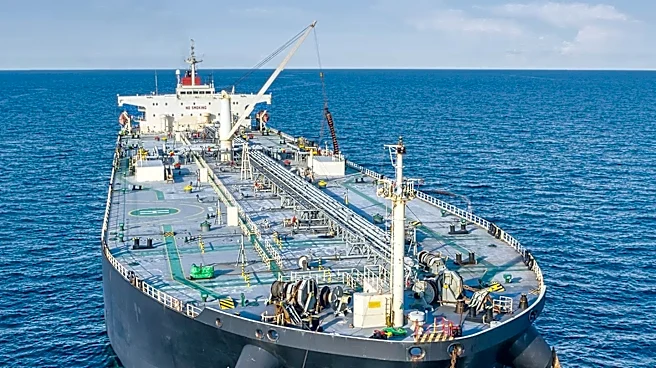
The shift in strategy by the Gulf states is significant as it highlights the changing geopolitical dynamics in the Middle East. By prioritizing regional stability, the Gulf states aim to create an environment conducive to economic transformation and investment. This approach reduces the risk of military escalation and its associated economic costs, such as disruptions to energy markets and increased insurance premiums. The Gulf's strategy also reflects a desire for greater strategic autonomy, reducing reliance on external military guarantees. This development could lead to a more stable regional order, benefiting global economic security by ensuring the uninterrupted flow of energy through critical chokepoints like the Strait of Hormuz.