


What's Happening?
Congressman Paul D. Tonko (NY-20) is scheduled to participate in Climate Week NYC, sharing the stage with AIA President Illya Azaroff, FAIA, on Monday, September 21. Their discussion will center on 'Resilient and Regenerative Design,' exploring how the built
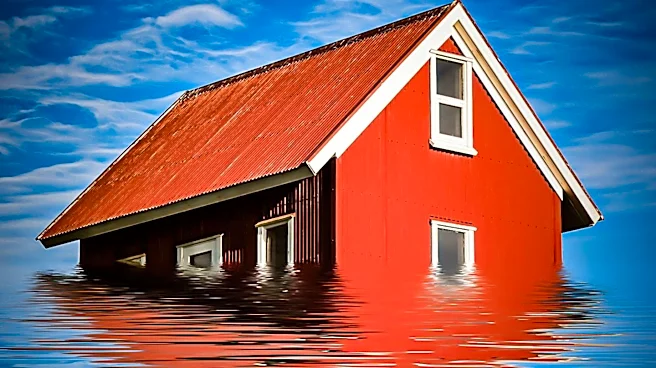
environment can contribute to lasting environmental, social, and economic benefits. The conversation will also address how communities can thrive amidst increasing climate-related risks. The American Institute of Architects (AIA) is actively leading discussions at various Climate Week NYC events to advocate for the crucial role architects play in creating a more resilient built environment. Climate Week NYC, running from September 20-28, serves as a global platform for leaders from the private sector, public sector, and non-governmental organizations to advance collaborative climate action. The AIA's participation aims to highlight how architects are driving meaningful climate action, including tackling extreme weather, restoring ecosystems, and expanding housing solutions for communities.
Why It's Important?
Congressman Tonko's involvement in Climate Week NYC underscores the growing recognition of the built environment's critical role in addressing climate change and fostering community resilience in the U.S. As climate-related risks intensify, the design and construction of buildings and infrastructure become paramount for protecting lives, property, and economic stability. This discussion highlights the intersection of policy and architectural innovation, emphasizing how legislative frameworks can support and incentivize sustainable and resilient design practices. For U.S. industries, particularly construction, real estate, and urban planning, this focus signals a shift towards greater demand for green building materials, energy-efficient technologies, and climate-adaptive designs. It also impacts public policy by advocating for regulations and funding that promote resilient infrastructure, potentially leading to job creation in green sectors and reducing long-term costs associated with climate disasters. The collaboration between policymakers and architects is crucial for developing comprehensive strategies that benefit society and the economy.
What's Next?
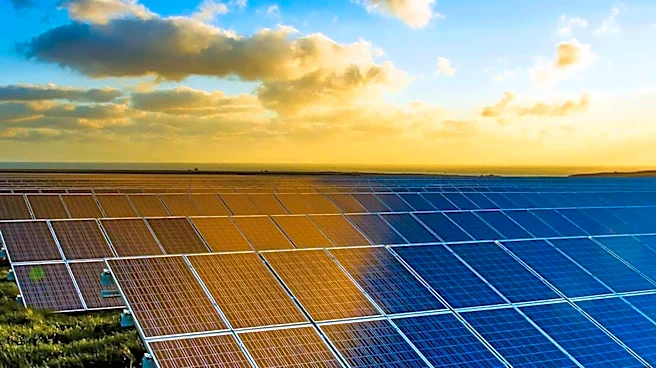
Following Congressman Tonko's participation in Climate Week NYC, the discussions on resilient and regenerative design are expected to influence future policy initiatives and industry practices. The insights shared by policymakers and architects could lead to the development of new legislative proposals aimed at promoting sustainable building standards, incentivizing green infrastructure projects, and integrating climate resilience into urban planning. Major stakeholders, including federal and local governments, architectural firms, construction companies, and community organizations, will likely continue to collaborate on implementing these strategies. This could involve pilot programs for resilient housing, updated building codes, and increased investment in climate-adaptive technologies. The ongoing dialogue is also anticipated to raise public awareness about the importance of sustainable design, potentially driving consumer demand for environmentally friendly homes and workplaces. The long-term goal is to create a built environment that is not only sustainable but also capable of withstanding the impacts of a changing climate.
Beyond the Headlines
The emphasis on resilient and regenerative design at Climate Week NYC points to a deeper paradigm shift in how the U.S. approaches development and infrastructure. Beyond merely mitigating environmental damage, regenerative design aims to actively restore and enhance natural systems, moving beyond sustainability to create a positive impact. This approach has profound ethical and cultural implications, encouraging a re-evaluation of humanity's relationship with the natural world and promoting designs that work in harmony with local ecosystems. Legally, it could lead to more stringent environmental regulations and new frameworks for assessing the ecological footprint of construction projects. Culturally, it fosters a greater appreciation for indigenous knowledge and traditional building practices that have historically demonstrated resilience. This shift could trigger long-term changes in educational curricula for architects and engineers, promoting interdisciplinary collaboration and a holistic understanding of environmental stewardship. Ultimately, it seeks to build communities that are not only physically robust but also ecologically and socially integrated.