








What's Happening?
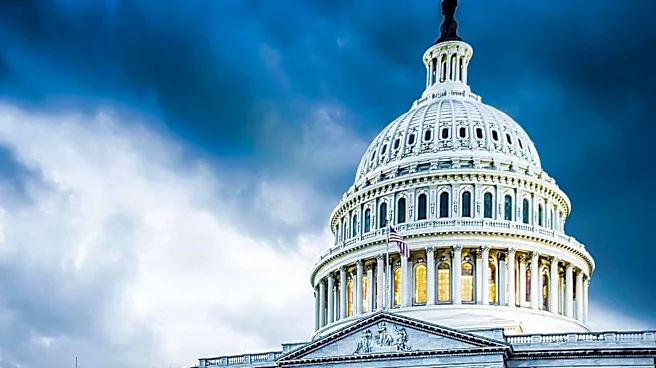
Two members of Congress, Greg Landsman of Ohio and Josh Riley of New York, have introduced a legislative proposal known as the 'Drain the Swamp Act'. This bill aims to address perceived corruption and strengthen democratic processes in the United States.
The proposed legislation includes measures such as banning the President, Vice President, members of Congress, and their immediate families from owning or trading stocks. It also seeks to prohibit Supreme Court justices and their families from engaging in stock trading. Additionally, the bill proposes banning betting on political events by government officials and their families, strengthening the emoluments clauses, and establishing term limits for the Supreme Court and Congress. The act also aims to suspend congressional pay during government shutdowns, revoke pensions for convicted officials, and introduce ethics rules for the Supreme Court. Other provisions include overturning Citizens United, banning partisan gerrymandering, and ending voter suppression.
Why It's Important?
The 'Drain the Swamp Act' is significant as it addresses widespread concerns about corruption and the influence of money in politics. By proposing to ban stock trading by high-ranking officials and their families, the bill aims to reduce conflicts of interest and increase transparency. The introduction of term limits and ethics rules for the Supreme Court could lead to a more balanced and accountable judiciary. Additionally, measures to overturn Citizens United and ban dark money in politics are intended to reduce the influence of corporate and untraceable funds in elections, potentially leading to a more equitable political landscape. These reforms could restore public trust in government institutions and ensure that political power is more representative of the electorate's will.
What's Next?
The future of the 'Drain the Swamp Act' will depend on its reception in Congress and among the public. If the bill gains significant support, it could become a central issue in upcoming elections, influencing campaign strategies and voter priorities. The Democratic Party may use this legislation as a platform to appeal to voters concerned about corruption and democratic integrity. However, the bill may face opposition from those who view its measures as too radical or impractical. The response from political leaders, advocacy groups, and the public will be crucial in determining the bill's progress and potential impact on U.S. politics.