








What's Happening?
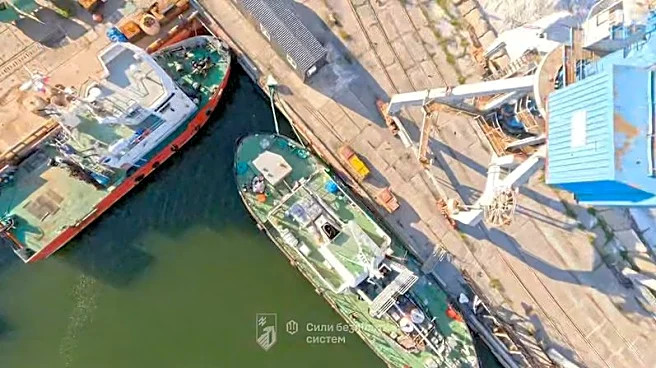
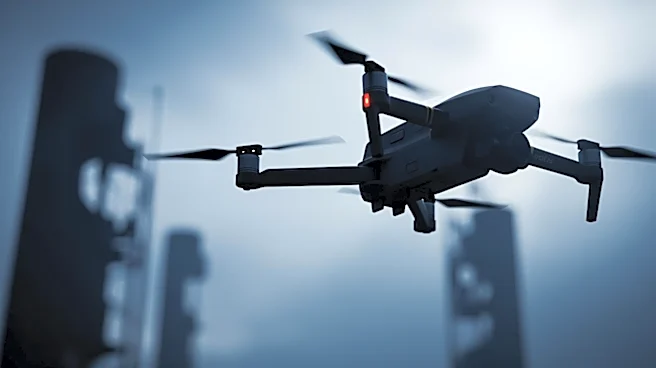
The Ukrainian military has conducted a strategic strike on the Russian-occupied Mariupol Sea Commercial Port, significantly disrupting Russian military logistics in the region. This operation was executed by the Unmanned Systems Forces in collaboration
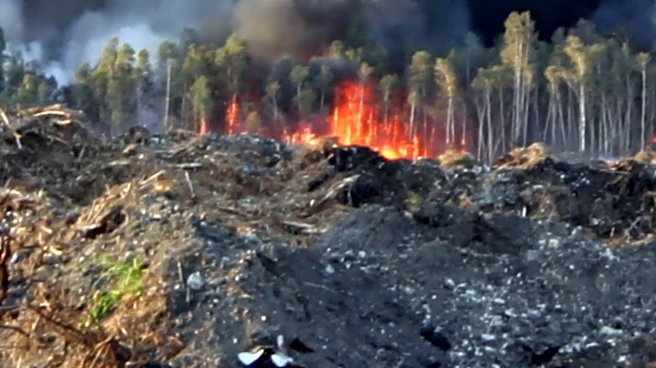
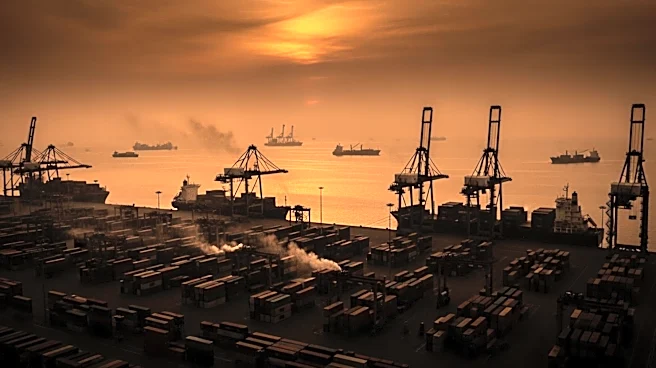
with the National Guard’s 1st Corps 'Azov,' the Security Service of Ukraine (SBU), and the Special Operations Center 'A.' The port, which has been under Russian control since 2022, was being used for military supply operations and the illegal export of Ukrainian resources such as grain, coal, and metals. The attack resulted in substantial damage to the port's energy, repair, and administrative infrastructure, leaving it without electricity and severely limiting its operational capacity. This move is part of Ukraine's broader strategy to reclaim control over its agricultural exports and disrupt Russian supply lines.
Why It's Important?
This development is crucial as it highlights Ukraine's ongoing efforts to regain control over its territories and resources amidst the conflict with Russia. By targeting the Mariupol port, Ukraine aims to weaken Russia's logistical capabilities, which are vital for sustaining its military operations in the southern occupied territories. The disruption of illegal exports from the port also underscores the economic dimensions of the conflict, as control over resources like grain and coal is a significant factor. This strike could potentially shift the dynamics of the conflict by limiting Russia's ability to move personnel and resources, thereby impacting its military strategy in the region.
What's Next?
Following the strike, it is anticipated that Russia may attempt to reinforce its logistical routes or seek alternative supply lines to mitigate the impact of the disruption. Ukraine, on the other hand, is likely to continue its strategy of targeting key logistical hubs to further weaken Russian military operations. The international community, particularly countries dependent on Ukrainian grain exports, will be closely monitoring the situation, as further disruptions could have broader implications for global agricultural markets. Additionally, there may be increased diplomatic efforts to address the illegal export of Ukrainian resources.
Beyond the Headlines
The strike on Mariupol port also raises questions about the ethical and legal implications of targeting infrastructure that, while used for military purposes, also supports civilian needs. The use of advanced drone technology by Ukraine highlights a shift in modern warfare tactics, emphasizing data-driven strategies and the role of unmanned systems in conflict. This development could influence future military doctrines and the global arms market, as countries may seek to enhance their capabilities in similar technologies.