




What's Happening?
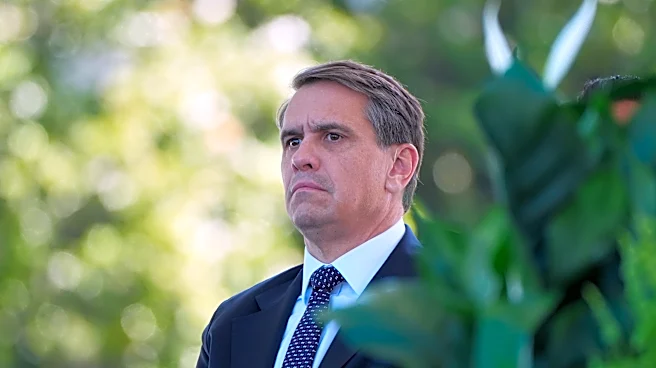
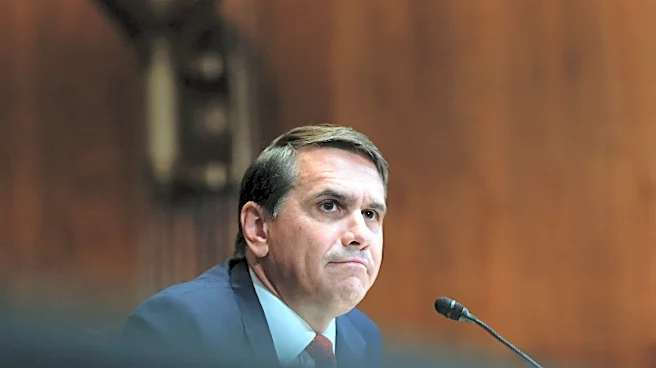
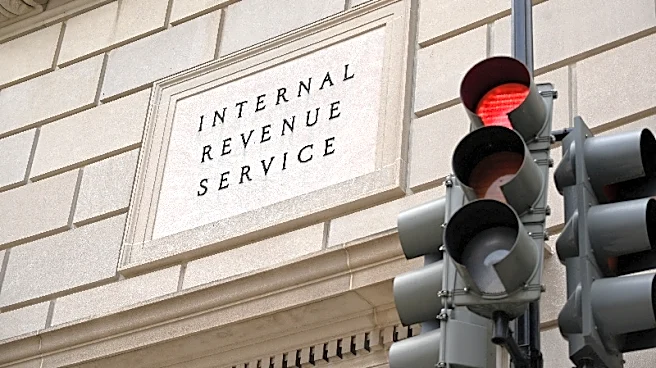
Acting Attorney General Todd Blanche faced scrutiny during a Senate Appropriations Subcommittee hearing regarding the eligibility criteria for compensation from the Justice Department's anti-weaponization fund. The fund was established following the withdrawal
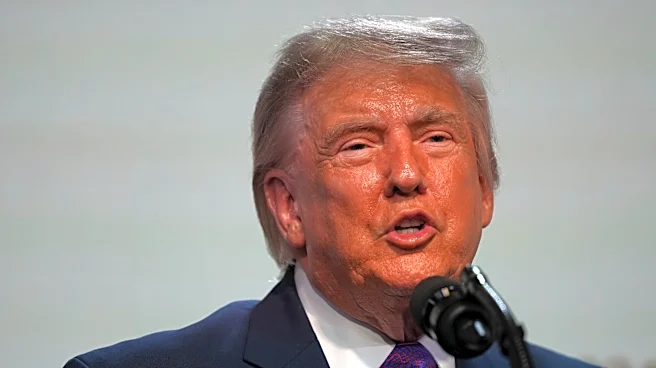
of a lawsuit by President Trump against the IRS. During the hearing, Senator Chris Coons of Delaware inquired whether individuals such as President Trump's campaign donors or those involved in the January 6 Capitol riots could potentially receive compensation from this fund. The fund's purpose and the criteria for eligibility remain points of contention, as lawmakers seek clarity on who stands to benefit from this initiative.
Why It's Important?
The establishment of the anti-weaponization fund by the Justice Department is significant as it reflects ongoing political tensions and the aftermath of the January 6 riots. The fund's criteria for compensation could have implications for political accountability and the perception of justice in the U.S. If individuals involved in the Capitol riots or closely associated with President Trump are eligible for compensation, it could lead to public outcry and further political polarization. The fund's management and transparency are crucial for maintaining public trust in the Justice Department and ensuring that it serves its intended purpose without bias.
What's Next?
The next steps involve further clarification from the Justice Department regarding the eligibility criteria for the anti-weaponization fund. Lawmakers may continue to press for transparency to ensure that the fund is not misused for political purposes. The outcome of these discussions could influence future legislative actions or reforms aimed at preventing the politicization of justice-related funds. Additionally, public and media scrutiny may increase as more details about the fund's administration and beneficiaries are revealed.