






What's Happening?
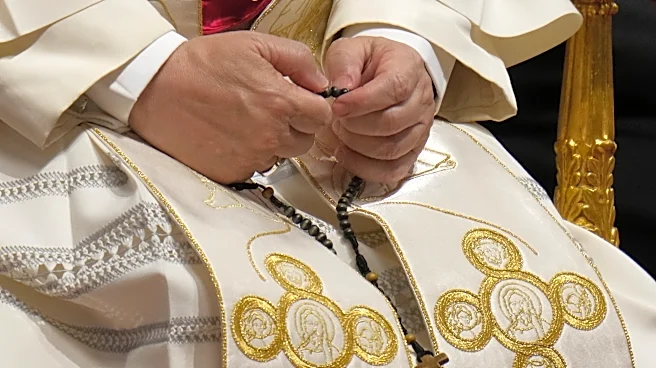
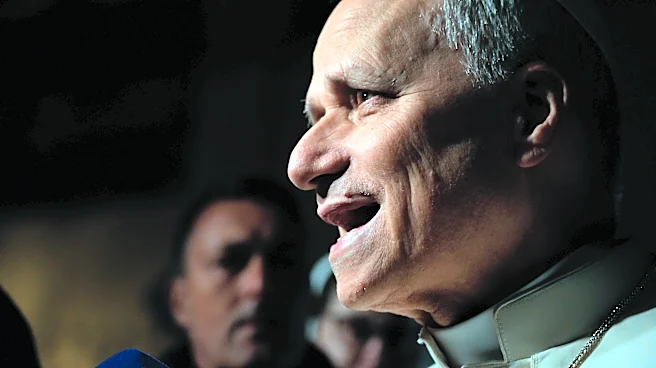
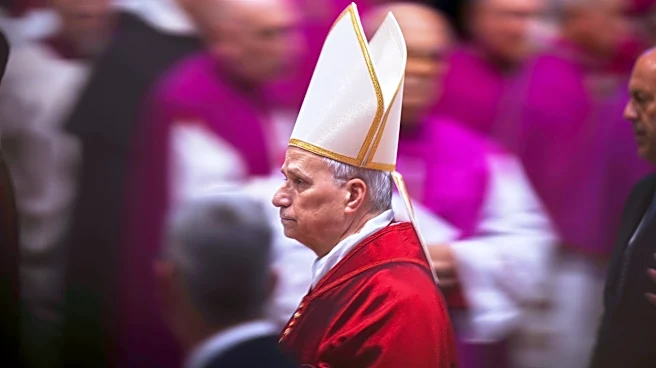
Pope Leo XIV is embarking on a significant 11-day visit to four African nations, focusing on themes such as Christian-Muslim coexistence, resource exploitation, and migration. The trip includes stops in Algeria, Cameroon, Angola, and Equatorial Guinea.
In Algeria, the Pope will address issues of migration and historical grievances related to French colonization. In Cameroon, he will lead a peace meeting in Bamenda, addressing the ongoing conflict involving English-speaking separatists and Boko Haram militants. Angola's visit will focus on youth engagement and the country's rich natural resources, while in Equatorial Guinea, the Pope will discuss the economic impact of oil and issues of governance.
Why It's Important?
The Pope's visit underscores the complex socio-political and economic challenges facing these African nations. His focus on resource exploitation and governance highlights the need for equitable distribution of wealth, particularly in countries like Cameroon and Equatorial Guinea, where natural resources have not translated into widespread prosperity. The visit also emphasizes the importance of interfaith dialogue and peacebuilding in regions plagued by conflict, such as Cameroon's Anglophone crisis. By addressing these issues, the Pope aims to foster hope and healing, potentially influencing both local and international policies towards more sustainable and inclusive development.
What's Next?
The Pope's visit may catalyze further dialogue and initiatives aimed at addressing the highlighted issues. Local governments and international organizations might increase efforts to resolve conflicts and improve governance. The visit could also inspire greater interfaith cooperation and community engagement in peacebuilding efforts. Additionally, the focus on resource management may lead to increased scrutiny and reforms in the extractive industries, potentially benefiting local communities.
Beyond the Headlines
The visit could have long-term cultural and ethical implications, promoting a shift towards more inclusive and sustainable development models. It may also strengthen the Catholic Church's role in advocating for social justice and human rights in Africa. The Pope's emphasis on youth engagement could inspire a new generation of leaders committed to addressing these challenges.