





What's Happening?
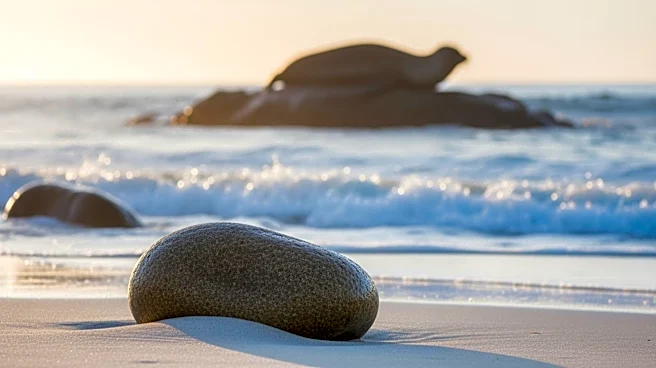
Igor Mykhaylovych Lytvynchuk, a tourist from Washington, is facing backlash after being filmed throwing a rock at an endangered Hawaiian monk seal named Lani in Maui. The incident, which occurred on May 5, 2026, was captured on video and widely shared
online. Lytvynchuk's attorney, Myles Breiner, stated that his client intended to protect nearby sea turtles, not harm the seal. The rock narrowly missed the seal, causing it to startle. Lytvynchuk, who is a naturalized U.S. citizen originally from Ukraine, is reportedly devastated by the public's perception of his actions. He is scheduled to appear in court in Honolulu on May 27. The case has drawn significant attention and condemnation from local and federal officials, including Maui County Mayor Richard Bissen and U.S. Attorney Ken Sorenson.
Why It's Important?
This incident highlights the ongoing challenges in balancing tourism with wildlife conservation in Hawaii. The Hawaiian monk seal is a critically endangered species, with only about 1,600 individuals remaining. The public outcry underscores the importance of educating visitors about local wildlife and the legal protections in place. The case also raises questions about the responsibilities of tourists in preserving the natural habitats they visit. The legal proceedings could set a precedent for how similar cases are handled in the future, potentially influencing policies on wildlife protection and tourism management.
What's Next?
Lytvynchuk's court appearance on May 27 will be closely watched, as it may influence future legal actions against those who harm protected wildlife. The case could prompt increased efforts by local authorities and conservation groups to educate tourists about the importance of respecting wildlife. Additionally, there may be discussions about enhancing penalties for those who violate wildlife protection laws. The incident could also lead to broader conversations about sustainable tourism practices in Hawaii and other ecologically sensitive areas.
Beyond the Headlines
The incident sheds light on the cultural significance of wildlife in Hawaii, where animals like the Hawaiian monk seal are considered part of the 'ohana' or family. This cultural perspective emphasizes the need for respectful interactions with nature. The case also highlights the potential for misunderstandings between tourists and local communities, underscoring the importance of cultural sensitivity and awareness. Furthermore, it raises ethical questions about human intervention in natural ecosystems and the unintended consequences of such actions.