






What's Happening?
A new study has revealed that record-breaking heat in Europe this past summer contributed to the deaths of over 50,000 people. Researchers analyzed heat-related fatalities across 854 European cities during heat waves in June, July, and August. The study found
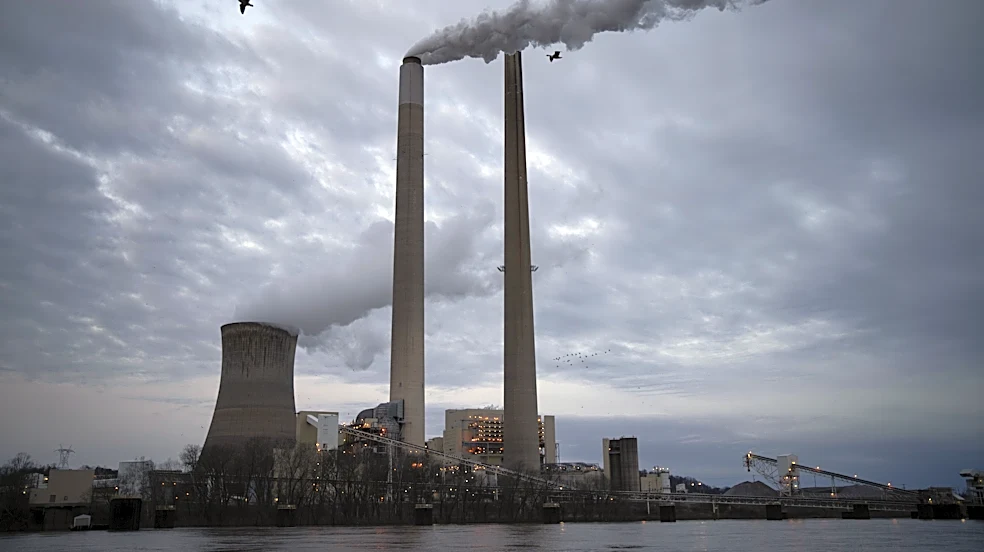
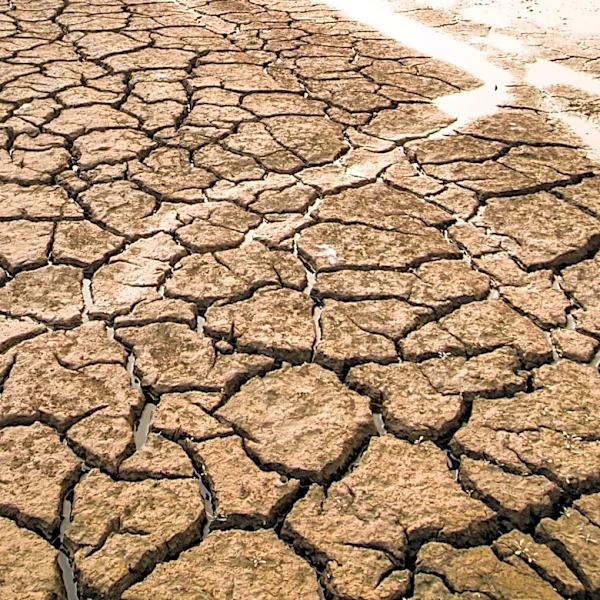
that 50,391 individuals died due to warmer temperatures, with 32,619 of these deaths directly attributed to the additional heat caused by human-induced climate change, primarily from the burning of fossil fuels. This figure represents a 71% increase compared to the previous deadliest summer in 2022, which saw 29,480 heat-related deaths. The study, set to be published in Nature Health, also indicates that these numbers are likely underestimates, as they do not account for a significant heat wave in May and only cover approximately 40% of Europe's population. Lead author Clair Barnes, a climate scientist at Imperial College London, noted that Europe's infrastructure is not designed to cope with the current temperatures, which in some cities were 21.6°F (12°C) warmer than normal.
Why It's Important?
This study underscores the severe and immediate public health crisis posed by climate change, particularly in densely populated urban areas. The significant death toll highlights the vulnerability of populations, especially the elderly, to extreme heat events. More than half of the reported deaths were among individuals aged 85 or older, though over 800 people between 20 and 44 also succumbed to the heat. The findings emphasize that the incremental warming caused by human activity is pushing temperatures from uncomfortable to deadly thresholds. The economic impact of such events can be substantial, including increased healthcare costs, lost productivity, and strain on emergency services. The study also reinforces the scientific consensus on the direct link between fossil fuel emissions and extreme weather events, urging a reevaluation of current climate mitigation and adaptation strategies.
What's Next?
The findings are expected to intensify calls for more robust climate action and adaptation measures across Europe and globally. Experts like Dr. Courtney Howard, president-elect of the Canadian Medical Association, advocate for urgent investments in heat early-warning systems, equitable access to low-carbon cooling solutions, and community support networks for at-risk individuals. Simultaneously, there will likely be renewed pressure to rapidly reduce fossil fuel consumption, which is identified as the primary driver of the crisis. Dr. Jonathan Patz of the University of Wisconsin-Madison emphasized the need for both immediate protective measures for vulnerable populations and addressing the root cause of the problem by curbing fossil fuel burning. Governments and urban planners may need to accelerate the implementation of heat-resilient infrastructure and public health campaigns to prepare for increasingly frequent and intense heat waves.
Beyond the Headlines
The study's methodology, which involved comparing real-world deaths to computer simulations of a world without climate change, provides a powerful tool for attributing specific fatalities to global warming. This attribution strengthens the legal and ethical arguments for climate accountability, potentially influencing policy decisions and international climate negotiations. The increasing percentage of heat deaths attributable to global warming, rising from about 45% in the early 2000s to 65% now, indicates a worsening trend that demands systemic changes rather than just reactive measures. The underreporting of heat-related deaths on official certificates, as noted by biostatistician Garyfallos Konstantinoudis, suggests that the true human cost of climate change may be even higher, highlighting a need for improved public health data collection and reporting mechanisms to accurately assess and address the crisis.