








What's Happening?
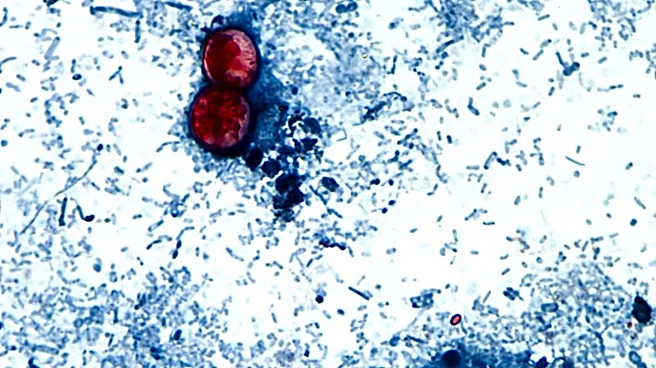
Infections from the parasite cyclospora are surging across the United States, with 2026 already marking a record year for reported cases. More than 30 states have reported infections, surpassing the previous record of about 4,700 cases set in 2019. Michigan,
with over 3,300 cases, is one of the hardest-hit states. Health officials there suspect lettuce or salad greens as a potential source of the outbreak. The Michigan health department has conducted over 1,000 interviews, identifying lettuce as a common factor among patients. In response, they advise consumers to purchase whole heads of lettuce, discard the outer layers, and thoroughly wash the remaining leaves. Taco Bell has temporarily removed certain ingredients from select restaurants as a precaution. The U.S. Food and Drug Administration is conducting a traceback investigation on multiple produce items.
Why It's Important?
The cyclospora outbreak highlights significant public health concerns, particularly regarding food safety and supply chain vulnerabilities. The potential link to lettuce underscores the need for stringent agricultural practices and monitoring to prevent contamination. This outbreak could lead to increased scrutiny and regulation of produce suppliers, impacting the agricultural industry. Consumers may become more cautious about purchasing fresh produce, affecting market demand. The outbreak also stresses the importance of rapid response and communication from health authorities to manage public health risks effectively.
What's Next?
Health officials are expected to continue their investigation into the source of the cyclospora infections, with a focus on produce supply chains. The FDA's ongoing traceback efforts may lead to more specific advisories or recalls if a definitive source is identified. Public health agencies will likely increase awareness campaigns to educate consumers on safe food handling practices. The situation may prompt legislative discussions on improving food safety standards and response mechanisms to prevent future outbreaks.