





What's Happening?
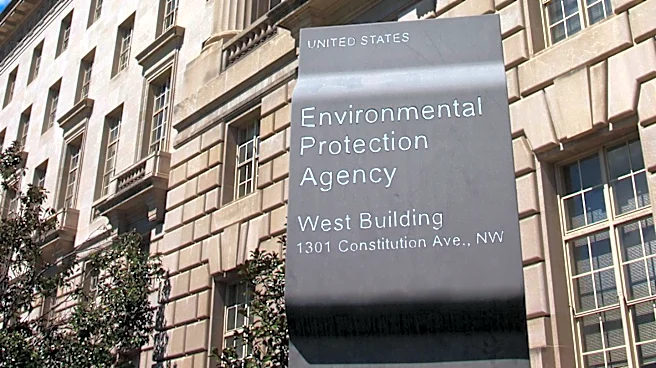
The U.S. Department of Agriculture’s Forest Service and Environmental Protection Agency, in partnership with the Washington State Department of Health, Department of Natural Resources, and Department of Fish & Wildlife, are expanding a collaborative effort
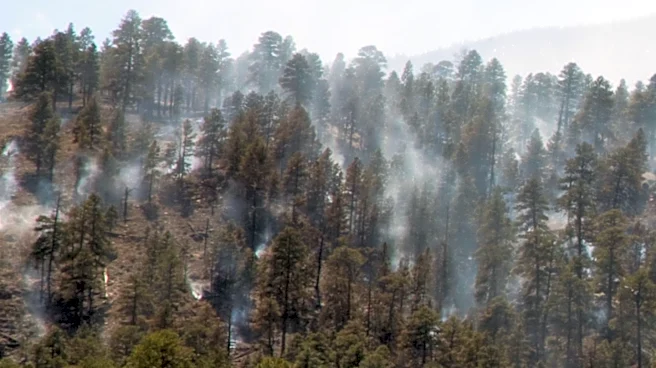
in Central Washington. This initiative aims to increase the use of prescribed fire, reduce wildfire risk, and enhance public health protections from smoke. Building on a Pacific Northwest collaboration launched in 2024, this expansion focuses on the Okanogan-Wenatchee National Forest and nearby state-managed lands and communities. Agency partners are coordinating planning, outreach, air-quality monitoring, and public health protections through an incident command structure for multi-jurisdictional prescribed burns scheduled for fall 2026 and spring 2027. The pilot, which began in Kittitas and Chelan counties, will now extend into western Okanogan County and Yakima County.
Why It's Important?
This expanded collaboration is critical for addressing the increasing severity and length of wildfire seasons in the Pacific Northwest, which have led to significant smoke impacts on communities. Prescribed fire is recognized as an effective tool for reducing hazardous fuels, improving forest health, and making landscapes more resilient to wildfires. By proactively managing forests through controlled burns, the initiative aims to mitigate the more severe and prolonged smoke impacts associated with uncontrolled wildfires. The involvement of multiple federal, state, local, and tribal partners ensures a comprehensive approach to land management and public health. This effort is vital for protecting the health of residents, particularly vulnerable populations, by providing advance notice, health information, and resources like clean air shelters and N95 respirators, thereby reducing exposure to harmful smoke and improving overall air quality in affected regions.
What's Next?
The Central Washington pilot will continue its implementation with multi-jurisdictional prescribed burns planned for fall 2026 and spring 2027, expanding its reach into western Okanogan County and Yakima County. Key objectives include strengthening interagency coordination, developing robust communication plans for affected communities, and coordinating air-quality monitoring and forecasting. Partners will also focus on identifying and overcoming barriers to implementing prescribed fire at scale, using innovative best practices, and learning from experience to adapt future efforts. Outreach to vulnerable populations will be a priority, ensuring they receive timely information and access to exposure-reduction resources. The ongoing support from the Environmental Protection Agency and other partners is expected to further align land management and air-quality goals, leading to a more effective and widespread application of prescribed fire across the Pacific Northwest.
Beyond the Headlines
The expansion of this prescribed fire and smoke management pilot highlights a growing recognition of the need for proactive, integrated approaches to natural resource management in the face of climate change. Beyond the immediate benefits of reducing wildfire risk and improving air quality, this initiative fosters deeper collaboration between diverse governmental and tribal entities, setting a precedent for complex environmental challenges. It also underscores the importance of public engagement and education in successful land management strategies, as community understanding and acceptance are crucial for the effective implementation of prescribed burns. The long-term success of such programs could lead to a paradigm shift in how the U.S. manages its forests, moving from reactive wildfire suppression to a more preventative and ecologically sound approach that prioritizes both environmental health and public well-being.