






What's Happening?
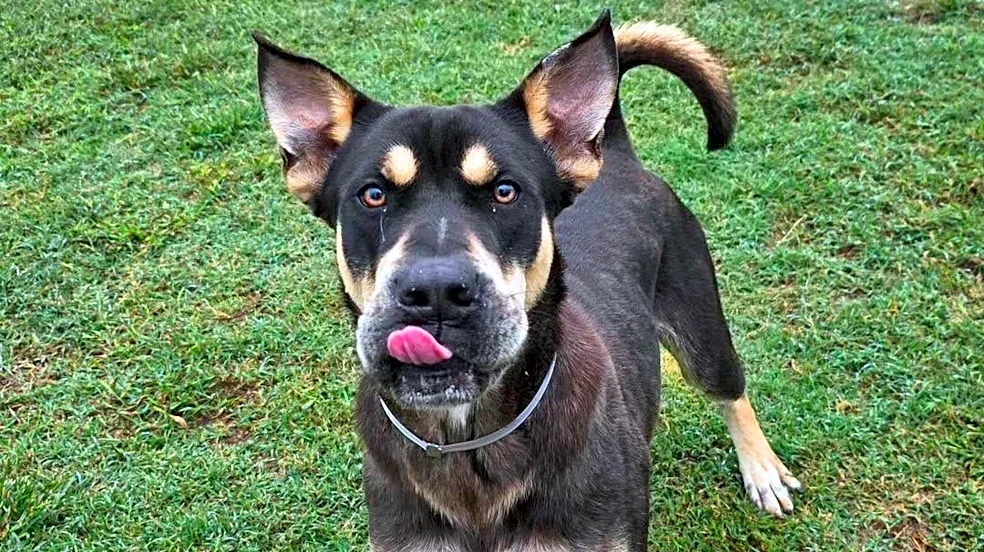
The Laramie Animal Welfare Society (LAWS) has outlined its dog adoption programs, which include a standard adoption process for dogs over 16 weeks old and adult dogs, and a specialized Foster to Forever (FTF) program for puppies. The standard adoption program ensures
that all dogs are spayed or neutered, dewormed, microchipped, and receive age-appropriate vaccinations before adoption. The FTF program is designed for puppies too young for immediate spaying or neutering. Under this program, approved Albany County families foster eligible puppies with the intent to adopt. During the foster period, LAWS retains care and responsibility, providing necessary veterinary services such as vaccinations, deworming, microchipping, and the mandatory spay or neuter procedure at approximately 16 weeks of age. Once these requirements are met, LAWS finalizes the adoption with the foster family. Applications for both programs are reviewed with the specific dog in mind, prioritizing the best match rather than a first-come, first-served basis. Application review times can vary depending on volunteer availability.
Why It's Important?
These structured adoption programs are crucial for ensuring the welfare and successful placement of dogs and puppies in Laramie and Albany County. By requiring preliminary approval and carefully matching pets with families, LAWS aims to reduce the likelihood of returns and promote long-term adoptions. The Foster to Forever program, in particular, addresses the unique needs of young puppies, allowing them to grow and receive necessary medical care in a home environment before final adoption. This approach not only benefits the animals by providing early socialization and care but also supports the community by placing well-adjusted pets. The comprehensive veterinary care provided before adoption helps alleviate the initial financial burden on new owners and ensures pets are healthy, contributing to public health by controlling pet overpopulation through mandatory spaying and neutering. This model could serve as a blueprint for other animal welfare organizations seeking to optimize their adoption processes and improve outcomes for vulnerable animals.
What's Next?
Individuals interested in adopting a dog or puppy from the Laramie Animal Welfare Society should submit an application, which is the first step in the process. For puppies labeled 'FTF Only,' a separate application for the Foster to Forever program is required. Applicants should be aware that review timelines can extend to several weeks due to volunteer availability. Once an application is approved, preliminary meetings with the animals can be scheduled. LAWS will continue to update its website with available dogs and puppies, removing those that have been adopted or are undergoing medical holds or behavioral training. The organization encourages direct email inquiries for adoption questions rather than phone calls to the main office. The ongoing success of these programs will depend on continued community engagement, volunteer support, and the consistent application of their detailed adoption protocols.
Beyond the Headlines
The detailed adoption processes implemented by the Laramie Animal Welfare Society highlight a broader shift in animal welfare towards more thoughtful and comprehensive placement strategies. Beyond simply rehoming animals, these programs emphasize responsible pet ownership, preventative veterinary care, and the importance of a stable home environment from an early age. The FTF program, by integrating fostering with eventual adoption, addresses the critical developmental period for puppies, potentially reducing behavioral issues later in life and fostering stronger bonds with their adoptive families. This approach also underscores the significant role of volunteerism in animal welfare, as the efficiency of application reviews is directly tied to volunteer availability. The commitment to spaying and neutering all animals before adoption reflects a proactive stance on pet overpopulation, a persistent challenge for animal shelters nationwide. Such initiatives contribute to a more humane society by promoting ethical treatment and care for companion animals.