





What's Happening?
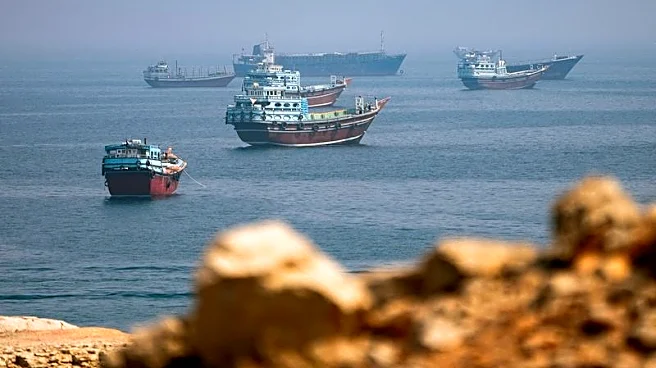
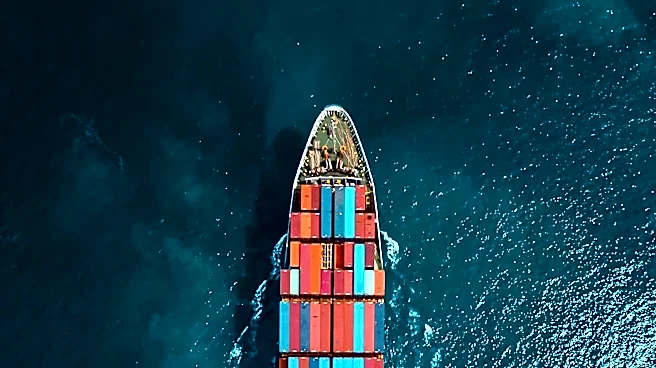
Heightened security concerns in the Strait of Hormuz and the Red Sea are significantly altering global maritime routes and insurance practices. These critical waterways, vital for energy and container shipping, are experiencing increased risks that compel
shipowners and operators to re-evaluate their voyage plans. The Strait of Hormuz is particularly crucial for oil and LNG transportation, while the Red Sea and the Bab el-Mandeb transit corridor are key for broader global trade. As a result, some shipping companies are exploring alternative routes, which directly impacts voyage durations, fuel consumption, and operational costs. The marine insurance sector is also closely monitoring these developments, leading to re-evaluations of risk premiums, coverage conditions, and risk assessments for vessels operating in these areas.
Why It's Important?
The re-routing and increased insurance costs stemming from security concerns in the Strait of Hormuz and Red Sea have profound implications for global trade dynamics and the U.S. economy. Disruptions in these chokepoints can lead to longer transit times for goods, increasing shipping costs and potentially impacting consumer prices in the U.S. Industries reliant on timely delivery of raw materials or finished products, such as manufacturing and retail, could face supply chain delays and higher operational expenses. The U.S. energy market, in particular, is sensitive to stability in the Strait of Hormuz, as it is a major conduit for global oil and gas supplies. Increased insurance premiums also add to the overall cost of doing business, affecting the profitability of shipping companies and, by extension, the cost of imported goods for U.S. consumers and businesses. This situation underscores the interconnectedness of global security and economic stability.
What's Next?
Maritime industry representatives anticipate that security developments in the Strait of Hormuz, the Red Sea, and the Bab el-Mandeb corridor will remain critical topics for global maritime transportation. Shipowners will continue to reassess their route strategies, potentially leading to more frequent use of alternative, longer routes like the Cape of Good Hope, which will further impact fuel consumption and transit times. The marine insurance sector will likely continue to adjust risk premiums and coverage terms, reflecting the evolving security landscape. Governments and international organizations may also explore diplomatic or security initiatives to de-escalate tensions and ensure the safe passage of commercial vessels through these vital waterways. The long-term impact could include a re-evaluation of global supply chain resilience and a push for diversification of shipping routes.
Beyond the Headlines
The ongoing security challenges in these maritime chokepoints highlight the vulnerability of global supply chains to geopolitical instability. Beyond the immediate economic impacts, there are deeper implications for international relations and maritime law. The increased presence of naval forces and the potential for conflict in these regions could lead to more complex international maritime governance challenges. Furthermore, the shift towards longer shipping routes due to security concerns has environmental consequences, as increased fuel consumption contributes to higher carbon emissions. This situation also prompts a re-evaluation of the balance between economic efficiency and supply chain resilience, pushing businesses and governments to consider the true cost of relying on single, vulnerable transit points for global trade.