
What's Happening?
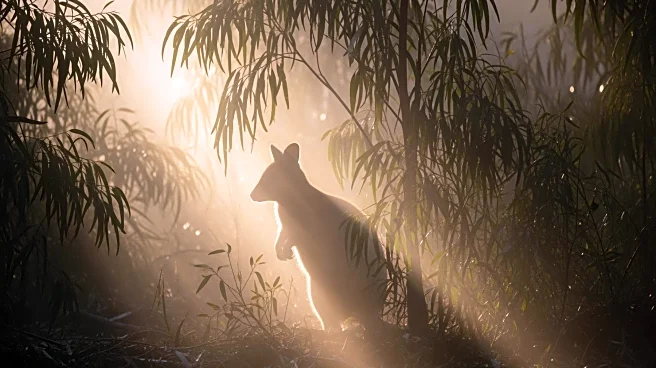
Researchers from Curtin University, the Western Australian Museum, and Murdoch University have identified a previously unknown species of marsupial related to the kangaroo. This discovery was made through
the analysis of fossils found in caves across the Nullarbor and southwest Australia. The new species, named Bettongia haoucharae, along with two new subspecies of woylie, were identified from fossil material. Woylies, also known as brush-tailed bettongs, are critically endangered and play a crucial ecological role by moving soil and aiding in the proliferation of native plants. The study highlights the importance of these marsupials in their ecosystems and underscores the need for continued conservation efforts.
Why It's Important?
The discovery of a new marsupial species and subspecies is significant for biodiversity and conservation efforts. Woylies are considered key ecosystem engineers, and understanding their diversity can aid in developing effective conservation strategies. The findings emphasize the importance of genetic and fossil analysis in identifying species diversity, which is crucial for breeding and translocation programs aimed at increasing population sizes and genetic fitness. This research could lead to more targeted conservation efforts, potentially improving the survival prospects of these critically endangered species.
What's Next?
The research team plans to collaborate with Indigenous groups to develop an appropriate name for the new species, respecting the cultural significance of the Noongar word 'woylie.' Further studies may focus on the genetic diversity of these marsupials to enhance conservation strategies. The findings could influence future conservation policies and initiatives, potentially leading to increased funding and support for habitat protection and restoration efforts.