





What's Happening?
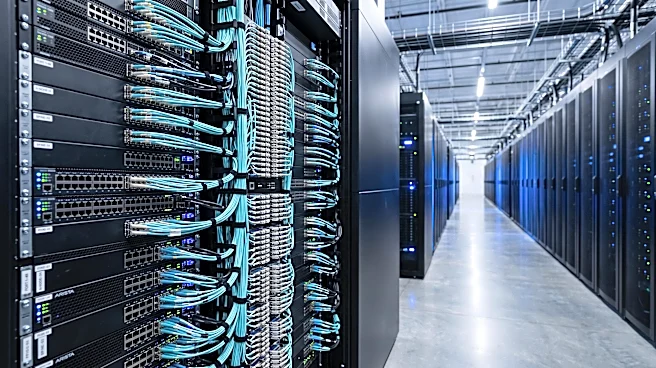
A recent North Dakota Poll, sponsored by the North Dakota News Cooperative, reveals significant public concern regarding the development of new data centers in the state. The poll found that 76% of respondents are worried about data centers increasing
electricity bills, with 49% expressing very high concern. Similar levels of apprehension exist regarding water usage, as 76% of respondents fear that data center operations could strain local water systems, and 45% are very concerned about this issue. The highest concentration of concern about electricity bills was noted in Fargo and Cass County, where 54% were very concerned. Furthermore, 42% of respondents indicated greater concern about the water and electricity demands of AI data centers compared to traditional data centers. State Representative Zachary Ista (D-Grand Forks) highlighted that these concerns about risks outweigh public optimism about potential job creation (19% view as important) and local tax revenue (23% view as very important). Overall, 45% of respondents oppose AI data center development statewide, while 35% support it, and 20% remain undecided.
Why It's Important?
The findings of the North Dakota Poll underscore a growing public skepticism towards technological development when it directly impacts essential resources and household expenses. This widespread concern about rising electricity costs and water scarcity could influence future policy decisions regarding data center expansion in North Dakota. For businesses considering establishing data centers in the state, these public sentiments signal potential regulatory hurdles and community resistance. Utility providers, such as the North Dakota Association of Rural Electric Cooperatives and Minnkota Power Cooperative, are actively working to address these concerns by implementing policies that ensure large industrial users, including data centers, bear the costs of their own infrastructure and energy consumption, thereby insulating existing customers. The debate also highlights a tension between economic development, often promised by tech industries, and environmental sustainability, particularly in resource-sensitive regions. The poll's results suggest that without clear communication and robust regulatory frameworks, public opposition could impede technological investment and growth.
What's Next?
In response to public concerns, stakeholders are emphasizing the need for practical regulation and transparent communication. Arik Spencer, CEO of the Greater North Dakota Chamber, advocates for regulations that encourage new technologies while planning for infrastructure needs and protecting affordable services. Utility providers like Josh Kramer of the North Dakota Association of Rural Electric Cooperatives and Mac McLennan of Minnkota Power Cooperative are focused on explaining how they are insulating existing customers from the costs associated with new large loads. They assert that data centers are required to pay for their own infrastructure and generation. State Senator David Hogue (R-Minot) believes that current utility policies are sufficient to protect consumers and that no new state legislation is immediately needed. The ongoing dialogue will likely focus on balancing economic opportunities from data centers with the imperative to maintain affordable utilities and preserve natural resources. Future developments may include more detailed public information campaigns from utilities and industry, and potentially, further legislative discussions if public concerns persist or intensify.
Beyond the Headlines
The concerns raised in North Dakota reflect a broader national conversation about the environmental footprint of the rapidly expanding digital economy. As artificial intelligence and data processing demands surge, the energy and water consumption of data centers are becoming critical issues. This situation in North Dakota highlights the ethical responsibility of technology companies and policymakers to ensure that technological advancement does not disproportionately burden local communities or strain natural resources. The state's unique position, with its oil wells producing natural gas that needs to be captured and utilized, presents a potential opportunity for data centers to consume underutilized gas, potentially turning a waste product into an energy source. However, this also necessitates careful planning to avoid creating new environmental challenges. The public's apprehension underscores a growing demand for sustainable development practices and transparent accountability from industries that are significant consumers of public resources, pushing for a more holistic approach to economic growth that integrates environmental and social considerations.