








What's Happening?
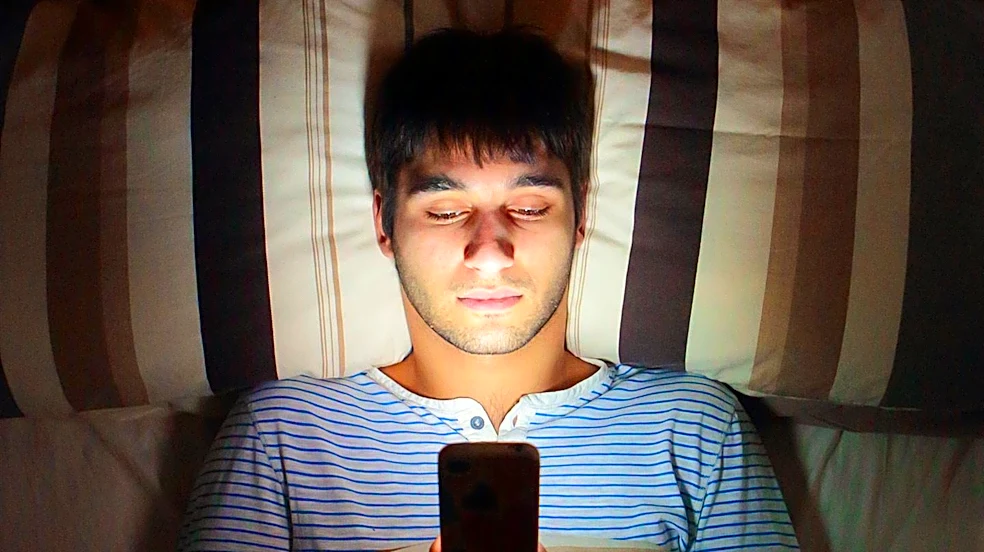
A new study led by a sleep expert at Stony Brook University, published in JAMA Pediatrics, provides empirical evidence on how late-evening smartphone use negatively impacts the sleep duration and quality of adolescents. The research, which utilized data
from 425 teens participating in the Adolescent Brain Cognitive Development Study, found that on nights when teenagers used their phones more than their individual average, they fell asleep over an hour later and slept more than 20 minutes less. Furthermore, phone use shortly before bedtime was strongly correlated with increased time awake in bed after initially falling asleep. The study employed wearable fitness trackers to collect sleep and heart rate data, alongside a validated smartphone application that automatically tracked phone usage, primarily social media platforms like YouTube and TikTok. The findings reinforce previous recommendations from the U.S. surgeon general and the National Sleep Foundation against smartphone use at bedtime for young people.
Why It's Important?
This study is significant because it provides objective data, moving beyond self-reported information, to solidify the understanding of how smartphone use directly interferes with adolescent sleep patterns. Adequate sleep is fundamental for optimal functioning, impacting academic performance, mood, and overall health. The disruption of early night sleep, specifically, can impair declarative memory formation, which is crucial for learning and recalling facts. The research highlights a critical public health concern, as teenagers in the study averaged nearly four hours of phone use daily, with about 40 minutes occurring after 10 p.m. This excessive screen time displaces essential activities like sleep, physical activity, reading, and social interaction, leading to potential long-term developmental and health consequences. The findings underscore the need for effective strategies to manage screen time among adolescents.
What's Next?
The study's findings are expected to further inform public health recommendations and parental guidance regarding adolescent screen time. Experts like Lauren Hale, one of the study authors, advocate for keeping phones out of bedrooms to prevent sleep interference. Dr. Daniel Bigman, a child and adolescent psychiatrist, suggests turning off stimulating devices an hour before bedtime, charging phones outside the bedroom, and utilizing 'Do Not Disturb' or 'Sleep' modes. The emphasis will likely shift towards establishing consistent bedtime routines that exclude screens, such as reading physical books. Parents are encouraged to model these behaviors and frame screen time limits as a protective measure for sleep rather than a punishment. The continued collection of data from long-term studies like the Adolescent Brain Cognitive Development Study will likely provide further insights into the evolving relationship between technology and adolescent well-being.
Beyond the Headlines
Beyond the immediate impact on sleep, the study touches upon broader implications concerning adolescent development and the pervasive influence of technology. The debate over the mechanisms by which screens impair sleep—whether through light emission suppressing melatonin or cognitive and emotional stimulation—highlights the complex interplay between technology and human physiology. The 'opportunity cost' of excessive screen time, as noted by Hale, extends to the erosion of time for crucial developmental activities like creative play, face-to-face social interaction, and focused learning. This raises questions about the long-term effects on attention spans, social skills, and mental health in a generation growing up with constant digital connectivity. The study implicitly calls for a societal re-evaluation of digital habits, encouraging a more balanced approach to technology integration in daily life, particularly for young people.