









What's Happening?
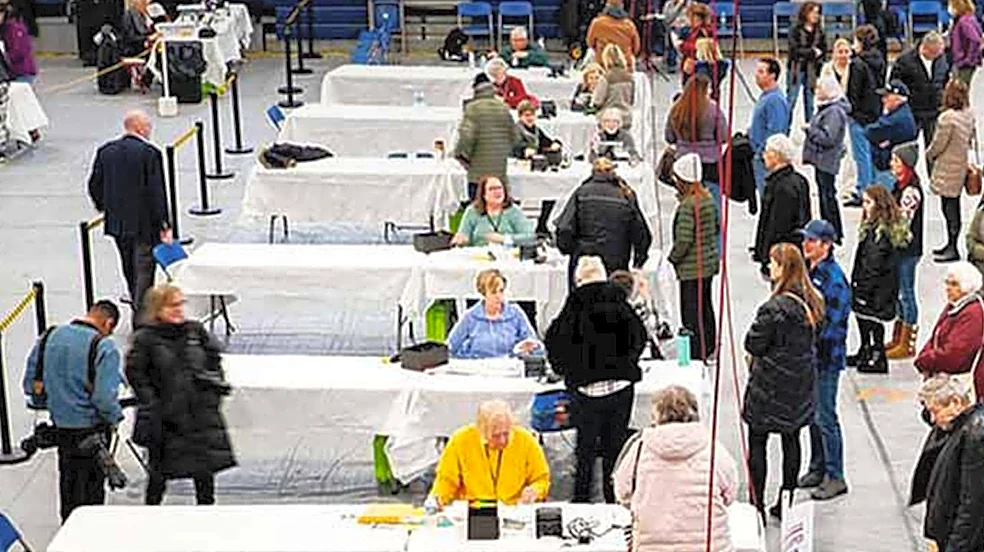
The St. Louis City Continuum of Care, in collaboration with Peter and Paul Community Services, recently held a town hall meeting to address homelessness in the city. A primary focus of the discussion was the critical hurdle of access to housing for unhoused
individuals. As winter approaches, the city is preparing its Code Blue response, which includes adding 600 shelter beds, bringing the total available on the coldest nights to approximately 1,000. A bill has also been introduced to the Board of Aldermen to secure dedicated funding for the Code Blue initiative. Shanna Nieweg, Executive Director of Horizon Housing Development Company, highlighted the complexities of responding to homelessness, particularly with program shifts from permanent to transitional statuses and significant funding cuts from state, local, and federal sources. Horizon Housing, which provides permanent supportive housing for individuals with developmental disabilities, mental illness, and severe substance addiction, has observed a substantial increase in housing needs. As of August, St. Louis had 2,115 unhoused individuals, with about 600 classified as chronically homeless.
Why It's Important?
The discussions and planned actions in St. Louis are crucial for addressing a growing humanitarian crisis within the city, particularly as colder weather approaches. The expansion of shelter beds and the push for dedicated Code Blue funding directly impact the safety and well-being of the city's unhoused population, potentially preventing cold-related illnesses and deaths. The challenges highlighted by organizations like Horizon Housing Development Company underscore broader systemic issues in affordable housing and the impact of funding cuts on social services. The increase in housing needs, coupled with rising rents outpacing incomes, reflects a national trend that exacerbates homelessness. The collaborative efforts among 151 member organizations within the St. Louis City Continuum of Care demonstrate a community-wide recognition of the problem and a commitment to finding solutions, which could serve as a model for other urban areas facing similar challenges. The success of rehousing over 120 individuals from the Mark Twain Hotel exemplifies the positive impact of such coordinated efforts.
What's Next?
The St. Louis City Continuum of Care will continue its preparations for the upcoming winter, focusing on the activation of the Code Blue response. This includes ensuring the availability of the newly added 600 shelter beds, bringing the total to around 1,000 for the coldest nights, and coordinating transportation for those needing shelter. The bill introduced to the Board of Aldermen for dedicated Code Blue funding has been referred to committee, and a hearing date is pending. Community partners are expected to further collaborate on resource pooling and volunteer efforts to address the ongoing housing crisis, especially given the reduction in external funding. Public communication regarding when Code Blue is in effect will be a priority. The Continuum of Care is also seeking public support through financial contributions, donations of essential items like food, hats, and gloves, and volunteer assistance to expand resources and shelter capacity.
Beyond the Headlines
The ongoing struggle with homelessness in St. Louis, as highlighted by the town hall, points to deeper societal and economic fissures. The shift from permanent to transitional housing programs, coupled with significant funding cuts, suggests a broader policy trend that may inadvertently increase housing instability. The emphasis on collaboration among community partners, while essential, also underscores the strain on local resources when state and federal support diminishes. The protest at the town hall, with attendees asserting that '24 degrees is too damn cold,' reflects a growing public demand for more robust and compassionate responses to homelessness, potentially pushing local authorities to adopt more proactive and comprehensive strategies beyond emergency shelters. The discussion around innovative housing options, such as shared units, indicates a necessary evolution in thinking about affordable housing solutions in the face of economic pressures and limited resources, potentially influencing future urban planning and social welfare policies.